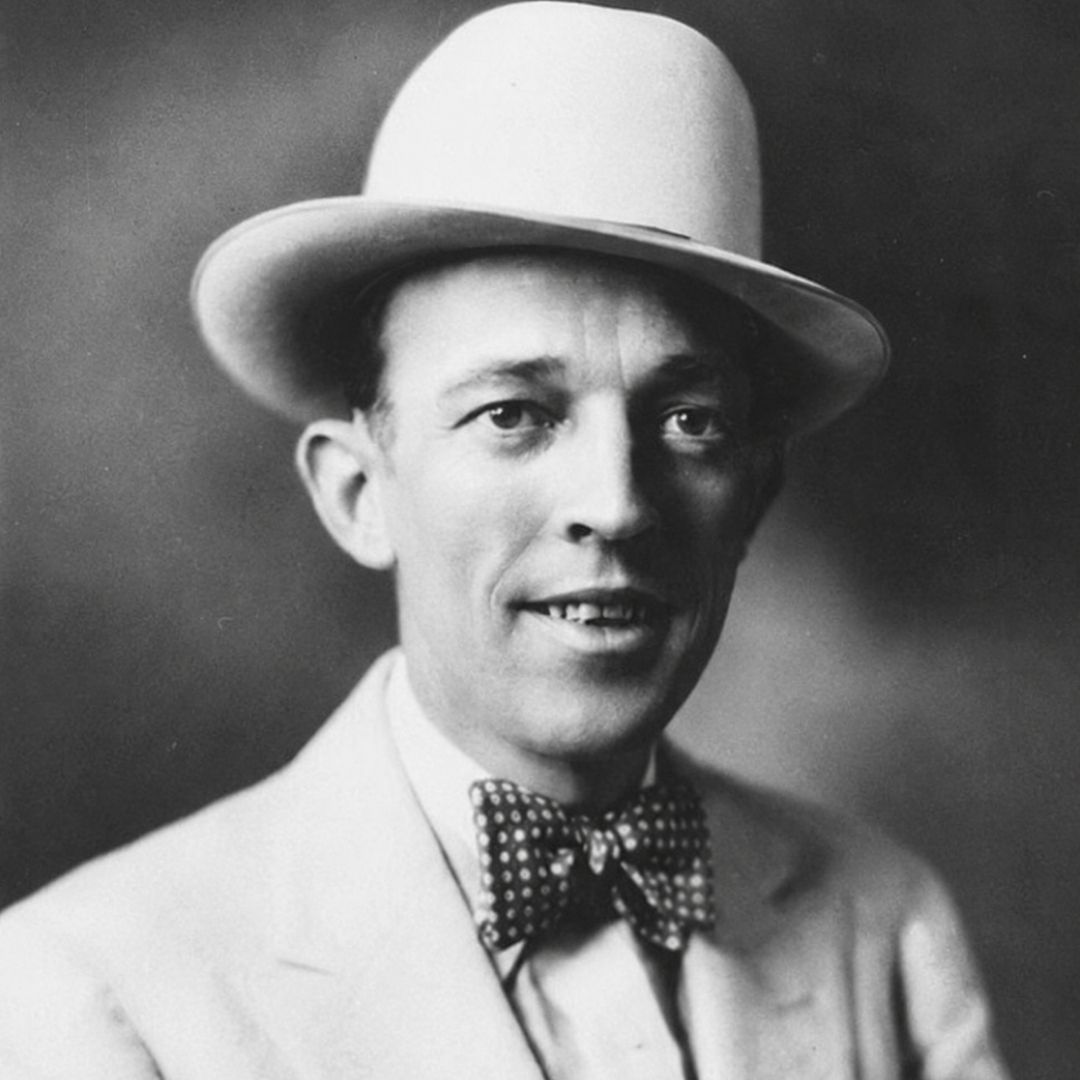
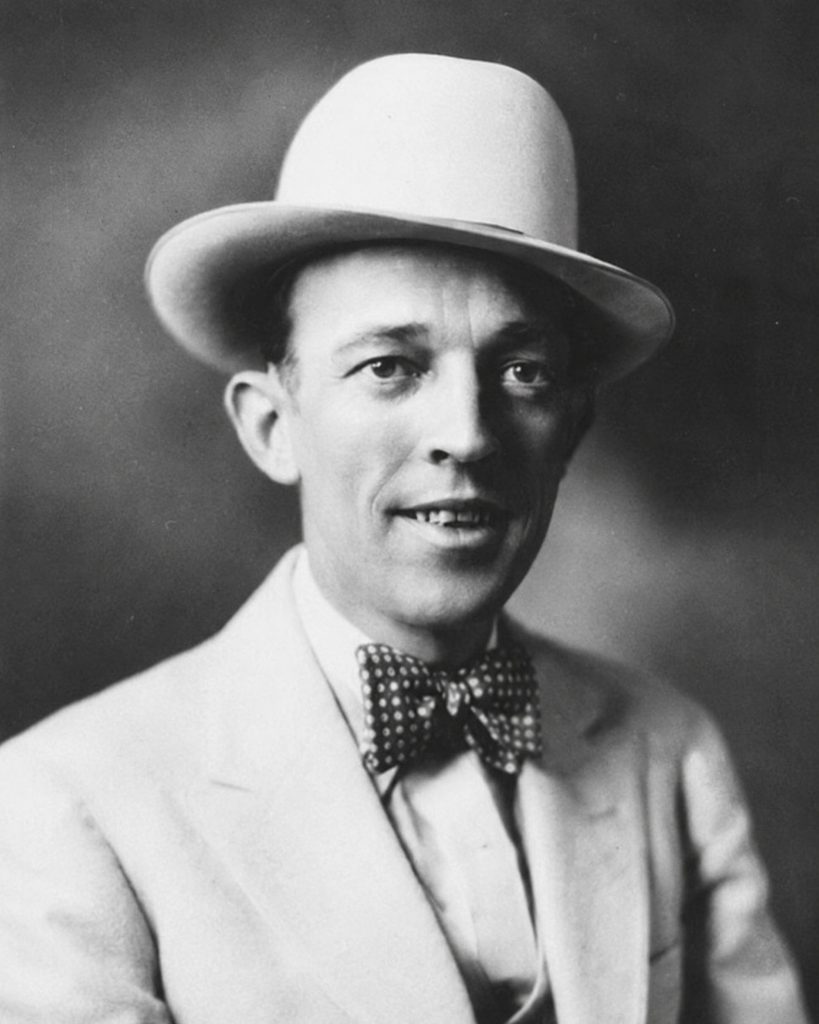
JIMMIE RODGERS WAS TOO WEAK TO STAND THROUGH THE SESSION — SO THEY PUT A COT IN THE STUDIO AND LET THE FATHER OF COUNTRY MUSIC LIE DOWN BETWEEN SONGS.
By 1933, Jimmie Rodgers had already changed American music.
He came out of Meridian, Mississippi with railroad stories, blues phrasing, yodels, and the sound of a man who understood waiting for a train that might never come.
“Blue Yodel No. 1.”
“T for Texas.”
“Waiting for a Train.”
The records made him one of country music’s first national stars.
The Singing Brakeman.
The man in the railroad cap.
The voice that taught a generation of singers they did not have to sound polished to sound true.
But Tuberculosis Had Been Working On Him For Years
By the spring of 1933, the disease had cut deep.
He could not tour the way he once had.
He had collapsed.
He had canceled dates.
Doctors told him to rest.
But Jimmie Rodgers understood something else too.
Records were still the one thing he could leave behind for his family.
So he went to New York for one more Victor session.
The Studio Was Not Built For A Dying Man
The studio on 24th Street was built for singers who could walk in, cut a side, shake hands, and move on to the next appointment.
Jimmie could no longer do that.
He sat in a chair with pillows behind him, leaning forward toward the microphone.
Between songs, the coughing came.
The exhaustion came.
A nurse stayed close.
And finally, they brought in a cot.
He Recorded Four More Songs
On May 24, 1933, Jimmie Rodgers recorded four more songs.
After each take, he lay down and tried to gather enough breath to stand again.
Imagine that room.
The microphone.
The nurse.
The cot.
A man who had helped define country music fighting for enough air to finish another side.
One of the songs was “Years Ago,” quieter than the yodeling records that had once carried his name across America.
But maybe that is what makes it so hard to hear.
The voice was still there.
The body was already leaving.
Two Days Later, He Was Gone
Jimmie Rodgers died two days later.
He was 35 years old.
The records outlived the body that made them.
Gene Autry listened.
Ernest Tubb listened.
Hank Williams listened.
Later, so did Lefty Frizzell, Merle Haggard, Johnny Cash, and nearly every country singer who tried to put railroad dust, hunger, illness, work, loneliness, or a broken heart into three minutes of music.
The Last Image Is Still The Hardest
The deepest part of Jimmie Rodgers’ story is not only that he became the Father of Country Music.
It is the last picture.
A man too weak to stand through a recording session.
A cot placed inside a New York studio.
A nurse waiting nearby.
Four more songs.
And a singer trying to pull enough breath from his chest to leave something behind for the people he loved.
Jimmie Rodgers did not make those last records because he was ready.
He made them because the voice still had one more thing to give.
And country music has been living inside that breath ever since.
Video