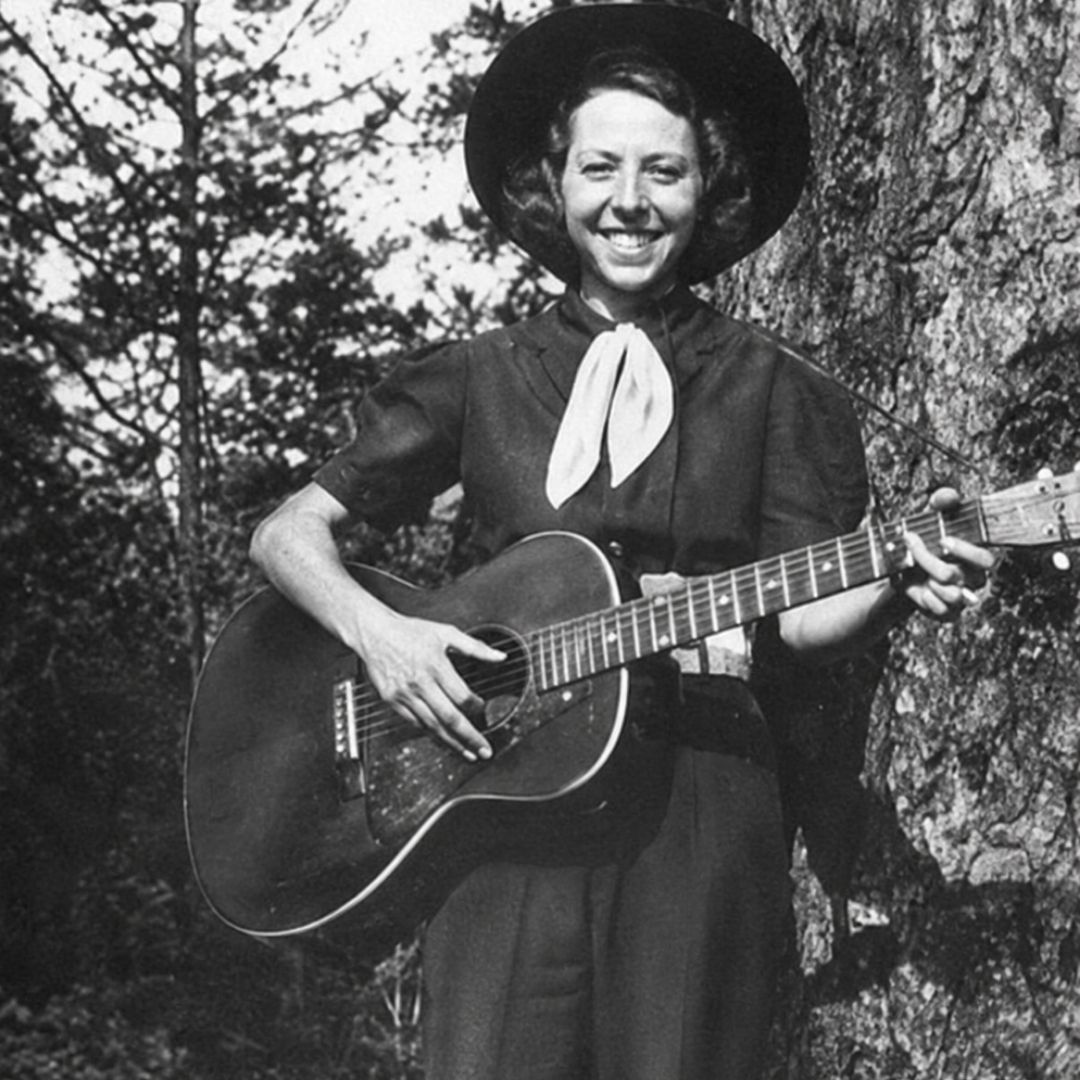
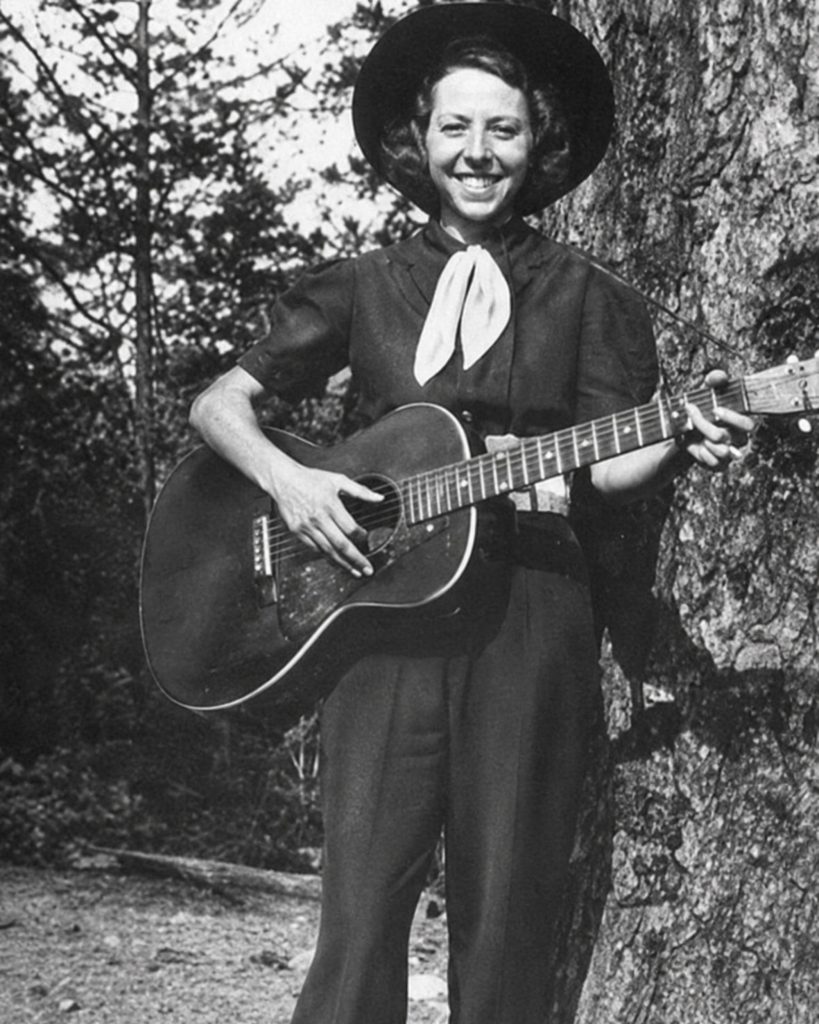
BEFORE NASHVILLE KNEW HOW TO SELL A WILD WOMAN, ROSE MADDOX WAS ALREADY SHOUTING HILLBILLY BOOGIE OUT OF A FAMILY THAT HAD PICKED COTTON TO SURVIVE. Rose Maddox was eleven when she started singing in migrant camps and California honky-tonks. That was not a romantic beginning. The Maddox family had left Alabama during the Depression years and gone west looking for work. They picked cotton. They picked fruit. They moved where the work was. The children learned early that a song could be more than entertainment. It could hold a crowd long enough to buy supper. Rose was the only girl in a family band full of brothers. Fred, Cal, Cliff, Don, and Rose did not build their act around politeness. They played fast, loud, and like they had spent too many nights in dance halls to care what respectable people thought. Country, Western swing, boogie-woogie, gospel, hillbilly music — they threw it all together and made it move. Soon they had a name for themselves. “America’s Most Colorful Hillbilly Band.” The clothes were bright. The shows were wilder than most country acts of the time. Fred Maddox could turn a stage into a circus. But Rose was the sound people carried home. She did not sing like a woman waiting for heartbreak to happen. She sang like she had already survived it and had no intention of asking anyone’s permission. That was what made her dangerous. Long before Nashville found a clean marketing word for female country rebellion, Rose Maddox was already doing it in California. Her voice had a crackle in it. Her timing had bite. Later singers would hear traces of her in rockabilly, honky-tonk, bluegrass, and country music that refused to sit still. The Maddox Brothers and Rose played from the 1930s into the 1950s. Then the family band broke apart, as family bands often do. Rose kept going. She recorded solo country sides. She sang gospel. She made one of the first bluegrass albums by a woman. She worked with Buck Owens. The business never gave her the polished mainstream crown it handed to some others. But that was never really Rose Maddox’s story. She came from a family that had picked cotton to stay alive. By the time she reached a microphone, she already knew how to make noise feel like survival.

“Scroll down to the end of the article to listen to music.”

BEFORE NASHVILLE KNEW HOW TO SELL A WILD WOMAN, ROSE MADDOX WAS ALREADY SHOUTING HILLBILLY BOOGIE OUT OF A FAMILY THAT HAD PICKED COTTON TO SURVIVE.

Some country singers came from studios.

Rose Maddox came from migrant camps.

She was only eleven when she started singing in California honky-tonks and labor camps with her family. There was nothing romantic about the beginning. The Maddox family had left Alabama during the Depression and gone west looking for work.

They picked cotton.

They picked fruit.

They followed whatever job would keep food on the table.

And the children learned early that music was not just entertainment.

A song could hold a crowd long enough to buy supper.

Rose Was The Only Girl In The Band

The family act was full of brothers.

Fred.

Cal.

Cliff.

Don.

And Rose.

But they were not building a sweet, polite country show. The Maddox Brothers and Rose played fast, loud, and loose enough to make respectable people nervous.

Country.

Western swing.

Boogie-woogie.

Gospel.

Hillbilly music.

They threw it all together and made it move.

“America’s Most Colorful Hillbilly Band”

That was the name people gave them.

And it fit.

The clothes were bright.

The shows were wild.

Fred Maddox could turn a stage into a circus.

But Rose was the sound people carried home.

She did not sing like a woman waiting to be rescued by love. She sang like somebody who had already survived hard times and had no interest in asking permission to take up space.

That was what made her dangerous.

She Was Doing Female Rebellion Before It Had A Name

Long before Nashville found a clean marketing phrase for rebellious women in country music, Rose Maddox was already doing it in California.

Her voice had crackle.

Her timing had bite.

She could make a song feel like a warning, a joke, a dance, and a fight in the same breath.

Later singers in rockabilly, honky-tonk, bluegrass, and country music that refused to sit still would hear pieces of her in the sound.

She was not trying to fit into a lane.

She was making the lane shake.

The Family Band Could Not Last Forever

The Maddox Brothers and Rose worked from the 1930s into the 1950s.

Then the family band broke apart, as family bands often do.

But Rose did not disappear with it.

She kept going.

Solo country sides.

Gospel records.

Bluegrass sessions.

Work with Buck Owens.

She became one of the first women to make a bluegrass album, carrying that old California roughness into a new part of country music.

Nashville Never Gave Her The Clean Crown

The industry never handed Rose Maddox the polished mainstream crown it gave some other women.

Maybe she was too wild.

Too loud.

Too hard to package.

Too shaped by dance halls, cotton fields, and family survival to become someone else’s idea of a safe country star.

But that was never really her story.

Rose did not need to be smoothed out to matter.

She had already made the noise.

What Rose Maddox Really Leaves Behind

The deepest part of this story is not only that Rose Maddox was a pioneer.

It is where her sound came from.

An Alabama family leaving during the Depression.

California fields.

Cotton and fruit picking.

A little girl singing because music could help the family eat.

Brothers playing too loud.

Bright clothes.

Hillbilly boogie.

A woman standing in front of the band and refusing to shrink.

Rose Maddox came from a family that picked cotton to survive.

By the time she reached a microphone, she already knew how to make noise sound like freedom.

Video

Related Post

SHE HAD BEEN SINGING MOUNTAIN MUSIC SINCE BEFORE BLUEGRASS EVEN HAD A NAME. THEN, AT 80, WILMA LEE COOPER COLLAPSED ON THE OPRY STAGE WITH THE SONG STILL IN HER THROAT. Wilma Lee Cooper came out of Valley Head, West Virginia, where music was not something you studied in a conservatory. It was family. Church. Radio. Coal-country evenings. Her father worked in the mines. Her mother played pump organ. Wilma started singing when she was five, then sang with her family gospel group before she ever became part of country music history. She met Stoney Cooper in the early 1940s. He played fiddle. She sang and played guitar. Together they built a sound that sat between mountain gospel, old-time string band music, and the country music that had not yet decided how polished it wanted to become. They did not wait for genre labels. They drove. They broadcast. They played wherever people would listen. The roads were part of the act. Their daughter Carol Lee sometimes slept in the car under the upright bass while Wilma and Stoney went from show to show. They raised a family while keeping a band alive. They recorded songs like “Big Midnight Special,” “There’s a Big Wheel,” and “Wreck on the Highway.” By 1957, they had joined the Grand Ole Opry. The Smithsonian later called Wilma Lee the “First Lady of Bluegrass.” But that title came after decades of work. It came after she and Stoney had already spent years carrying the mountain sound through a country business that was moving toward smoother voices and cleaner suits. Then Stoney died in 1977. Wilma Lee did not leave with him. She stayed with the Opry. She kept leading the Clinch Mountain Clan. The old mountain voice remained onstage, older now but still carrying the same hard edge. She had already sung for more than sixty years by the time she walked onto the Ryman Auditorium stage on February 24, 2001. She was eighty. During that performance, Wilma Lee suffered a stroke. The career ended there. Not in a retirement announcement. Not in a farewell special. Onstage, in the place where she had kept the old sound alive for generations. The illness affected her speech and voice, and doctors doubted she would walk again. But Wilma Lee did return once more. In 2010, at the reopening of the Opry House after the Nashville flood, she came back for a group sing-along. Not to reclaim the old career. Not to prove anything. Just to stand in the room one more time and thank the people who had carried her. For most of her life, Wilma Lee Cooper sang as if the mountain had come down from West Virginia and entered the microphone. Her last great silence came on the same stage where she had spent decades refusing to let that mountain disappear.

SHE KNEW THE ROAD WAS ENDING. THEN NAOMI JUDD HELPED WRITE “LOVE CAN BUILD A BRIDGE” LIKE A GOODBYE THE CROWD COULD SING BACK. By 1990, The Judds had already done what most duos never get close to doing. Naomi and Wynonna Judd had come into country music with a sound that felt almost too plain to change anything. A mother. A daughter. Acoustic warmth. Family harmony. Wynonna’s voice carrying the lead like fire coming through wood. Naomi beside her, shaping the blend, the image, the story, and the mother-daughter ache that made the songs feel lived in. Then the hits came. “Mama He’s Crazy.” “Why Not Me.” “Love Is Alive.” “Grandpa.” “Have Mercy.” “Girls Night Out.” By the end of the 1980s, The Judds were no longer the fresh surprise from Tennessee. They were one of country music’s strongest centers. Then Naomi got sick. The diagnosis was hepatitis C. The timing made it cruel. The Judds were not finished because the audience had moved on. They were not finished because the songs had dried up. They were still at the top when Naomi had to face the truth that the road was becoming something her body could not keep carrying. In September 1990, The Judds released Love Can Build a Bridge. The title track was not just another single. Naomi had co-written it with John Barlow Jarvis and Paul Overstreet, and it sounded bigger than a normal country hit. It was not written like a barroom confession or a breakup note. It sounded like somebody trying to gather every broken piece in the room and make the people sing together before the lights went down. Five weeks after the album came out, Naomi announced that she had contracted hepatitis C. Suddenly, “Love Can Build a Bridge” did not feel only like a message song. It felt like a farewell letter hiding in plain sight. Mother and daughter were still singing together, but the audience now knew the clock was running. The harmonies carried something heavier than career momentum. They carried the sound of two people trying to finish beautifully before illness made the ending for them. In 1991, The Judds went out on the Love Can Build a Bridge farewell tour. Night after night, fans heard the song differently. They were not just watching a duo promote an album. They were watching Naomi say goodbye to the road while Wynonna stood beside her, still young enough to have a whole solo life ahead and old enough to understand what was being taken. The song later won a Grammy. But the trophy is not the reason it stayed. It stayed because The Judds did not get to fade naturally. They had to build a bridge while they were still standing on both sides of the ending.

THE SIGN SAID MR. AND MRS. COUNTRY MUSIC. BUT ROSE LEE MAPHIS WAS NEVER JUST THE WOMAN STANDING BESIDE JOE’S GUITAR. Rose Lee Maphis came into country music before the business knew how to give women much room. She was born Doris Helen Schetrompf in Maryland, raised around farm life, radio, and the kind of music that traveled through kitchens before it ever reached a stage. As a young woman, she sang, played guitar, and worked her way into radio and western acts long before the name Maphis meant anything to her. Then she met Joe. Joe Maphis was not an ordinary country guitarist. He was fast, flashy, and frighteningly good — the kind of player people later called “King of the Strings.” When he picked, the room noticed. When he walked onstage with that double-neck guitar, eyes naturally went to him first. That could have swallowed Rose Lee whole. It did not. Together, Joe and Rose Lee became one of country music’s great husband-and-wife acts. The billing said “Mr. and Mrs. Country Music,” and for audiences in the 1950s and 1960s, the name fit. They worked radio, television, live shows, and the West Coast country circuit at a time when California was building its own hard, bright country sound away from Nashville’s center. Joe brought the fire from the guitar. Rose Lee brought the voice, the rhythm, the presence, and the balance that kept the act from becoming only a display of speed. She was not standing there to decorate the stage. She sang. She played. She carried harmonies. She helped write the songs. In 1953, Joe and Rose Lee Maphis recorded “Dim Lights, Thick Smoke (And Loud, Loud Music).” That title sounded like a whole honky-tonk opening its door. The song became one of those records that outlived the moment it came from. Later generations would keep cutting it because the picture was too clear to die — dim lights, thick smoke, loud music, and somebody losing themselves inside the room. Rose Lee’s name was on that song. That matters. Country history has a habit of remembering the man with the famous instrument and letting the woman beside him become part of the scenery. But Rose Lee Maphis was part of the architecture. Without her, “Mr. and Mrs. Country Music” was only half a sign. The years moved on. Joe died in 1986. Rose Lee lived long enough to see the old West Coast country world turn into history. In Nashville, she later worked in the costume department at Opryland and became a greeter at the Country Music Hall of Fame and Museum. That last detail almost feels too quiet. Visitors walked through the door, maybe not realizing the elderly woman welcoming them had once stood inside the music herself. She had sung on the stages, made the records, helped carry a honky-tonk standard into the world, and shared a life with one of country guitar’s most dazzling men. The sign said “Mrs. Country Music.” But Rose Lee Maphis was not just Mrs. anybody. She was one of the women who helped make the music loud enough to last.

You Missed

BEFORE NASHVILLE KNEW HOW TO SELL A WILD WOMAN, ROSE MADDOX WAS ALREADY SHOUTING HILLBILLY BOOGIE OUT OF A FAMILY THAT HAD PICKED COTTON TO SURVIVE. Rose Maddox was eleven when she started singing in migrant camps and California honky-tonks. That was not a romantic beginning. The Maddox family had left Alabama during the Depression years and gone west looking for work. They picked cotton. They picked fruit. They moved where the work was. The children learned early that a song could be more than entertainment. It could hold a crowd long enough to buy supper. Rose was the only girl in a family band full of brothers. Fred, Cal, Cliff, Don, and Rose did not build their act around politeness. They played fast, loud, and like they had spent too many nights in dance halls to care what respectable people thought. Country, Western swing, boogie-woogie, gospel, hillbilly music — they threw it all together and made it move. Soon they had a name for themselves. “America’s Most Colorful Hillbilly Band.” The clothes were bright. The shows were wilder than most country acts of the time. Fred Maddox could turn a stage into a circus. But Rose was the sound people carried home. She did not sing like a woman waiting for heartbreak to happen. She sang like she had already survived it and had no intention of asking anyone’s permission. That was what made her dangerous. Long before Nashville found a clean marketing word for female country rebellion, Rose Maddox was already doing it in California. Her voice had a crackle in it. Her timing had bite. Later singers would hear traces of her in rockabilly, honky-tonk, bluegrass, and country music that refused to sit still. The Maddox Brothers and Rose played from the 1930s into the 1950s. Then the family band broke apart, as family bands often do. Rose kept going. She recorded solo country sides. She sang gospel. She made one of the first bluegrass albums by a woman. She worked with Buck Owens. The business never gave her the polished mainstream crown it handed to some others. But that was never really Rose Maddox’s story. She came from a family that had picked cotton to stay alive. By the time she reached a microphone, she already knew how to make noise feel like survival.

SHE HAD BEEN SINGING MOUNTAIN MUSIC SINCE BEFORE BLUEGRASS EVEN HAD A NAME. THEN, AT 80, WILMA LEE COOPER COLLAPSED ON THE OPRY STAGE WITH THE SONG STILL IN HER THROAT. Wilma Lee Cooper came out of Valley Head, West Virginia, where music was not something you studied in a conservatory. It was family. Church. Radio. Coal-country evenings. Her father worked in the mines. Her mother played pump organ. Wilma started singing when she was five, then sang with her family gospel group before she ever became part of country music history. She met Stoney Cooper in the early 1940s. He played fiddle. She sang and played guitar. Together they built a sound that sat between mountain gospel, old-time string band music, and the country music that had not yet decided how polished it wanted to become. They did not wait for genre labels. They drove. They broadcast. They played wherever people would listen. The roads were part of the act. Their daughter Carol Lee sometimes slept in the car under the upright bass while Wilma and Stoney went from show to show. They raised a family while keeping a band alive. They recorded songs like “Big Midnight Special,” “There’s a Big Wheel,” and “Wreck on the Highway.” By 1957, they had joined the Grand Ole Opry. The Smithsonian later called Wilma Lee the “First Lady of Bluegrass.” But that title came after decades of work. It came after she and Stoney had already spent years carrying the mountain sound through a country business that was moving toward smoother voices and cleaner suits. Then Stoney died in 1977. Wilma Lee did not leave with him. She stayed with the Opry. She kept leading the Clinch Mountain Clan. The old mountain voice remained onstage, older now but still carrying the same hard edge. She had already sung for more than sixty years by the time she walked onto the Ryman Auditorium stage on February 24, 2001. She was eighty. During that performance, Wilma Lee suffered a stroke. The career ended there. Not in a retirement announcement. Not in a farewell special. Onstage, in the place where she had kept the old sound alive for generations. The illness affected her speech and voice, and doctors doubted she would walk again. But Wilma Lee did return once more. In 2010, at the reopening of the Opry House after the Nashville flood, she came back for a group sing-along. Not to reclaim the old career. Not to prove anything. Just to stand in the room one more time and thank the people who had carried her. For most of her life, Wilma Lee Cooper sang as if the mountain had come down from West Virginia and entered the microphone. Her last great silence came on the same stage where she had spent decades refusing to let that mountain disappear.

SHE KNEW THE ROAD WAS ENDING. THEN NAOMI JUDD HELPED WRITE “LOVE CAN BUILD A BRIDGE” LIKE A GOODBYE THE CROWD COULD SING BACK. By 1990, The Judds had already done what most duos never get close to doing. Naomi and Wynonna Judd had come into country music with a sound that felt almost too plain to change anything. A mother. A daughter. Acoustic warmth. Family harmony. Wynonna’s voice carrying the lead like fire coming through wood. Naomi beside her, shaping the blend, the image, the story, and the mother-daughter ache that made the songs feel lived in. Then the hits came. “Mama He’s Crazy.” “Why Not Me.” “Love Is Alive.” “Grandpa.” “Have Mercy.” “Girls Night Out.” By the end of the 1980s, The Judds were no longer the fresh surprise from Tennessee. They were one of country music’s strongest centers. Then Naomi got sick. The diagnosis was hepatitis C. The timing made it cruel. The Judds were not finished because the audience had moved on. They were not finished because the songs had dried up. They were still at the top when Naomi had to face the truth that the road was becoming something her body could not keep carrying. In September 1990, The Judds released Love Can Build a Bridge. The title track was not just another single. Naomi had co-written it with John Barlow Jarvis and Paul Overstreet, and it sounded bigger than a normal country hit. It was not written like a barroom confession or a breakup note. It sounded like somebody trying to gather every broken piece in the room and make the people sing together before the lights went down. Five weeks after the album came out, Naomi announced that she had contracted hepatitis C. Suddenly, “Love Can Build a Bridge” did not feel only like a message song. It felt like a farewell letter hiding in plain sight. Mother and daughter were still singing together, but the audience now knew the clock was running. The harmonies carried something heavier than career momentum. They carried the sound of two people trying to finish beautifully before illness made the ending for them. In 1991, The Judds went out on the Love Can Build a Bridge farewell tour. Night after night, fans heard the song differently. They were not just watching a duo promote an album. They were watching Naomi say goodbye to the road while Wynonna stood beside her, still young enough to have a whole solo life ahead and old enough to understand what was being taken. The song later won a Grammy. But the trophy is not the reason it stayed. It stayed because The Judds did not get to fade naturally. They had to build a bridge while they were still standing on both sides of the ending.

THE SIGN SAID MR. AND MRS. COUNTRY MUSIC. BUT ROSE LEE MAPHIS WAS NEVER JUST THE WOMAN STANDING BESIDE JOE’S GUITAR. Rose Lee Maphis came into country music before the business knew how to give women much room. She was born Doris Helen Schetrompf in Maryland, raised around farm life, radio, and the kind of music that traveled through kitchens before it ever reached a stage. As a young woman, she sang, played guitar, and worked her way into radio and western acts long before the name Maphis meant anything to her. Then she met Joe. Joe Maphis was not an ordinary country guitarist. He was fast, flashy, and frighteningly good — the kind of player people later called “King of the Strings.” When he picked, the room noticed. When he walked onstage with that double-neck guitar, eyes naturally went to him first. That could have swallowed Rose Lee whole. It did not. Together, Joe and Rose Lee became one of country music’s great husband-and-wife acts. The billing said “Mr. and Mrs. Country Music,” and for audiences in the 1950s and 1960s, the name fit. They worked radio, television, live shows, and the West Coast country circuit at a time when California was building its own hard, bright country sound away from Nashville’s center. Joe brought the fire from the guitar. Rose Lee brought the voice, the rhythm, the presence, and the balance that kept the act from becoming only a display of speed. She was not standing there to decorate the stage. She sang. She played. She carried harmonies. She helped write the songs. In 1953, Joe and Rose Lee Maphis recorded “Dim Lights, Thick Smoke (And Loud, Loud Music).” That title sounded like a whole honky-tonk opening its door. The song became one of those records that outlived the moment it came from. Later generations would keep cutting it because the picture was too clear to die — dim lights, thick smoke, loud music, and somebody losing themselves inside the room. Rose Lee’s name was on that song. That matters. Country history has a habit of remembering the man with the famous instrument and letting the woman beside him become part of the scenery. But Rose Lee Maphis was part of the architecture. Without her, “Mr. and Mrs. Country Music” was only half a sign. The years moved on. Joe died in 1986. Rose Lee lived long enough to see the old West Coast country world turn into history. In Nashville, she later worked in the costume department at Opryland and became a greeter at the Country Music Hall of Fame and Museum. That last detail almost feels too quiet. Visitors walked through the door, maybe not realizing the elderly woman welcoming them had once stood inside the music herself. She had sung on the stages, made the records, helped carry a honky-tonk standard into the world, and shared a life with one of country guitar’s most dazzling men. The sign said “Mrs. Country Music.” But Rose Lee Maphis was not just Mrs. anybody. She was one of the women who helped make the music loud enough to last.