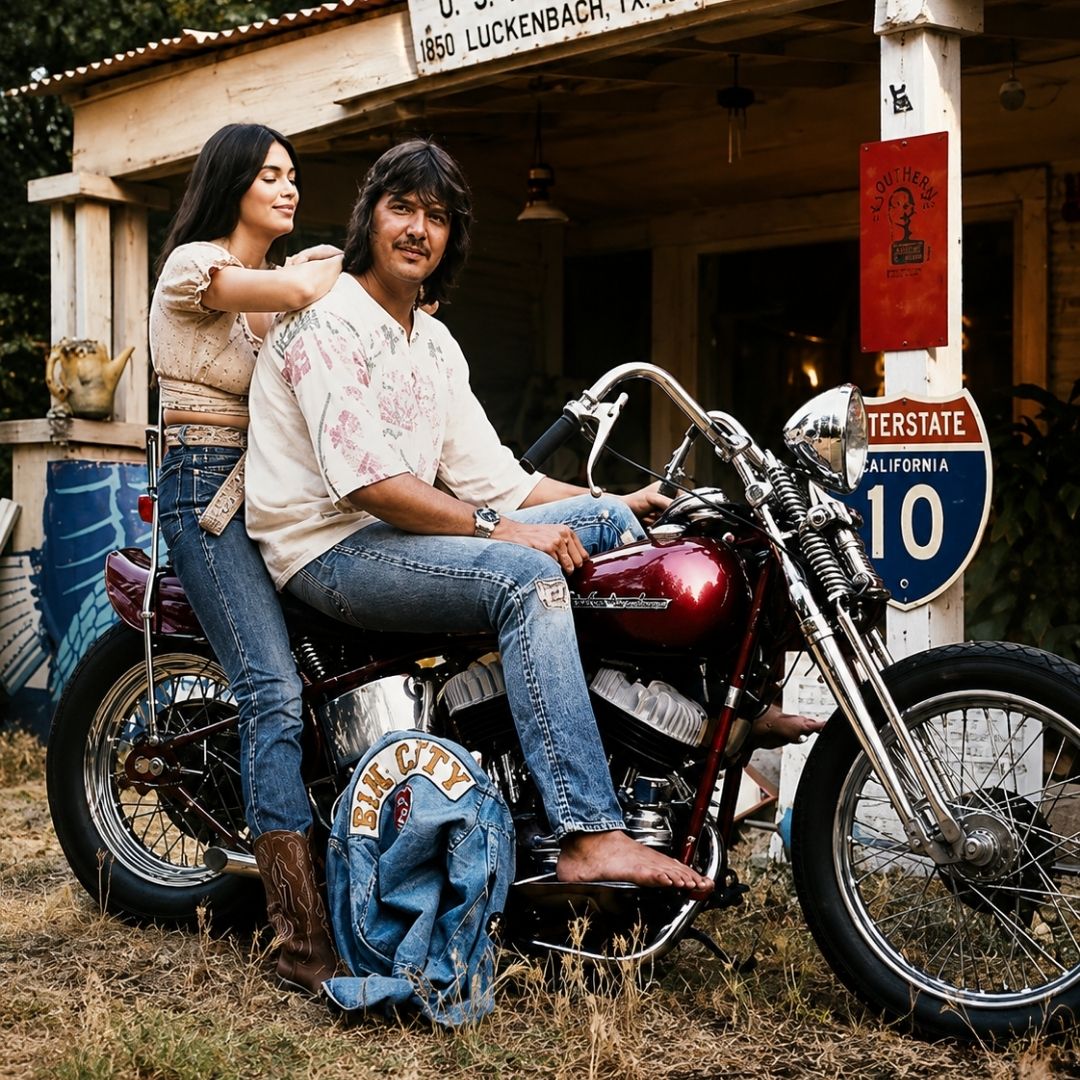
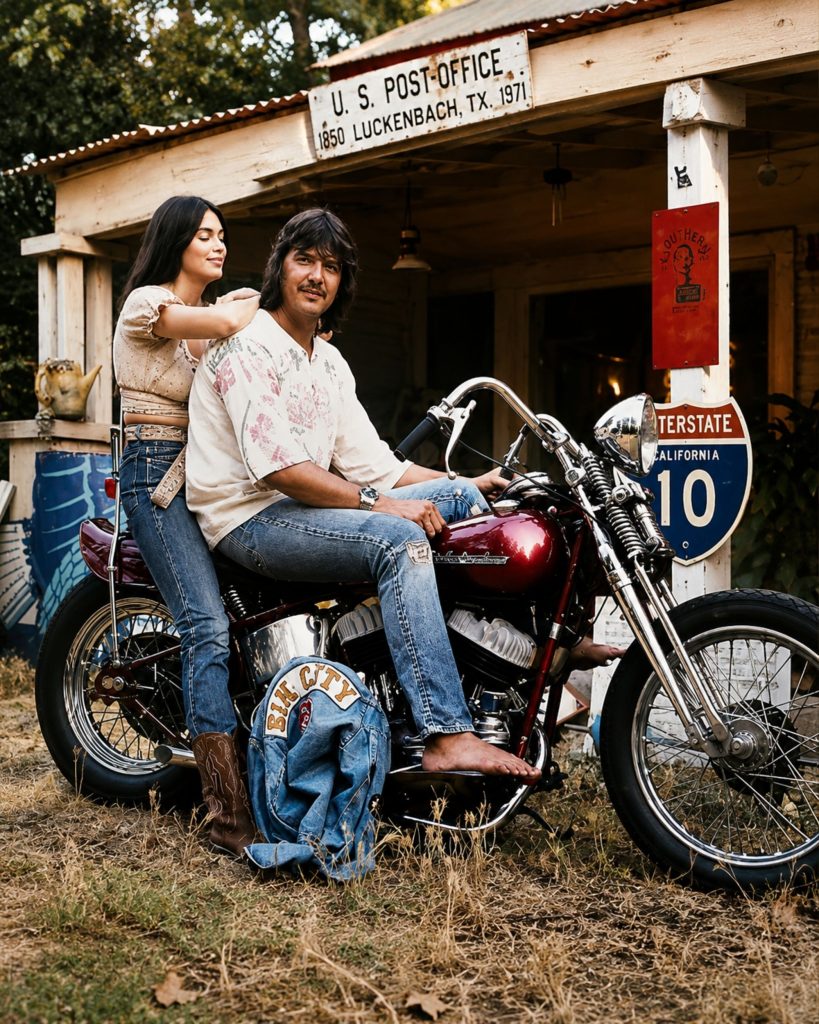
IN SEPTEMBER 1973, GRAM PARSONS DIED BEFORE EMMYLOU HARRIS HAD MADE A HIT RECORD OF HER OWN. TWO YEARS LATER, SHE WALKED BACK INTO A STUDIO WITH THE SONG SHE WROTE FOR HIM.
Before Gram Parsons, Emmylou Harris was trying to keep music alive around Washington, D.C.
She had made one small album.
The label folded.
Her marriage had ended.
She had a young daughter.
And between club dates, she took whatever work she could find to keep the rent paid and keep the idea of singing from disappearing.
She was not yet a star.
She was a woman trying not to lose the one thing she still believed might save her.
Then Gram Heard Her
Gram Parsons was building something that did not fit neatly into one room.
Country.
Folk.
Gospel.
Rock.
Old mountain harmonies.
California sunlight.
Broken hearts that sounded older than the people singing them.
But he needed a voice beside his that could carry old country songs without making them feel old.
He brought Emmylou to Los Angeles.
She sang on GP.
She joined him on the road with the Fallen Angels.
For the first time, she was standing inside country music not as a visitor, but as someone being shown where its deepest songs lived.
He Taught Her What To Listen For
Gram played her the Louvin Brothers.
George Jones.
Buck Owens.
He showed her that country music did not have to explain pain to make it real.
A line could be simple.
A harmony could be soft.
A voice could almost sound calm.
And still, the hurt could remain in the room long after the song ended.
That lesson stayed with her.
Not because he gave her a formula.
Because he gave her a way to hear.
Then He Was Gone
In September 1973, Gram Parsons died.
Emmylou was twenty-six.
Their second album, Grievous Angel, had not even been released.
The man who had opened the door for her was gone before she had built a place of her own on the other side of it.
For a while, she could have disappeared inside that loss.
Become another voice in somebody else’s unfinished legend.
But she did not.
She Went Back To Work
In 1975, Emmylou released Pieces of the Sky.
She formed the Hot Band.
She began gathering songs from old country writers, gospel singers, new songwriters, rock records, and all the artists Nashville had not always known what to do with.
The sound was hers now.
Clearer.
Stronger.
Still carrying the ache Gram had taught her to hear.
But no longer living in his shadow.
She Put The Grief Into One Song
One of the songs on that record was “Boulder to Birmingham.”
She wrote it after Gram died.
It was not a tribute built for a stage.
It was not an attempt to turn grief into something polished enough to explain.
It was a woman singing into the empty space left by the person who had changed the direction of her life.
The song did not need a speech.
The song was the speech.
What “Boulder To Birmingham” Really Leaves Behind
The deepest part of this story is not only that Emmylou Harris survived losing Gram Parsons.
It is what she did with the loss.
A small failed album.
A young daughter.
A broken marriage.
A singer trying to make rent around Washington, D.C.
A man who heard her voice.
A road band.
A death before the next record even came out.
And then a studio, two years later, where Emmylou Harris finally began to sound fully like herself.
Gram Parsons opened the door.
But “Boulder to Birmingham” was Emmylou walking through it alone.
Video