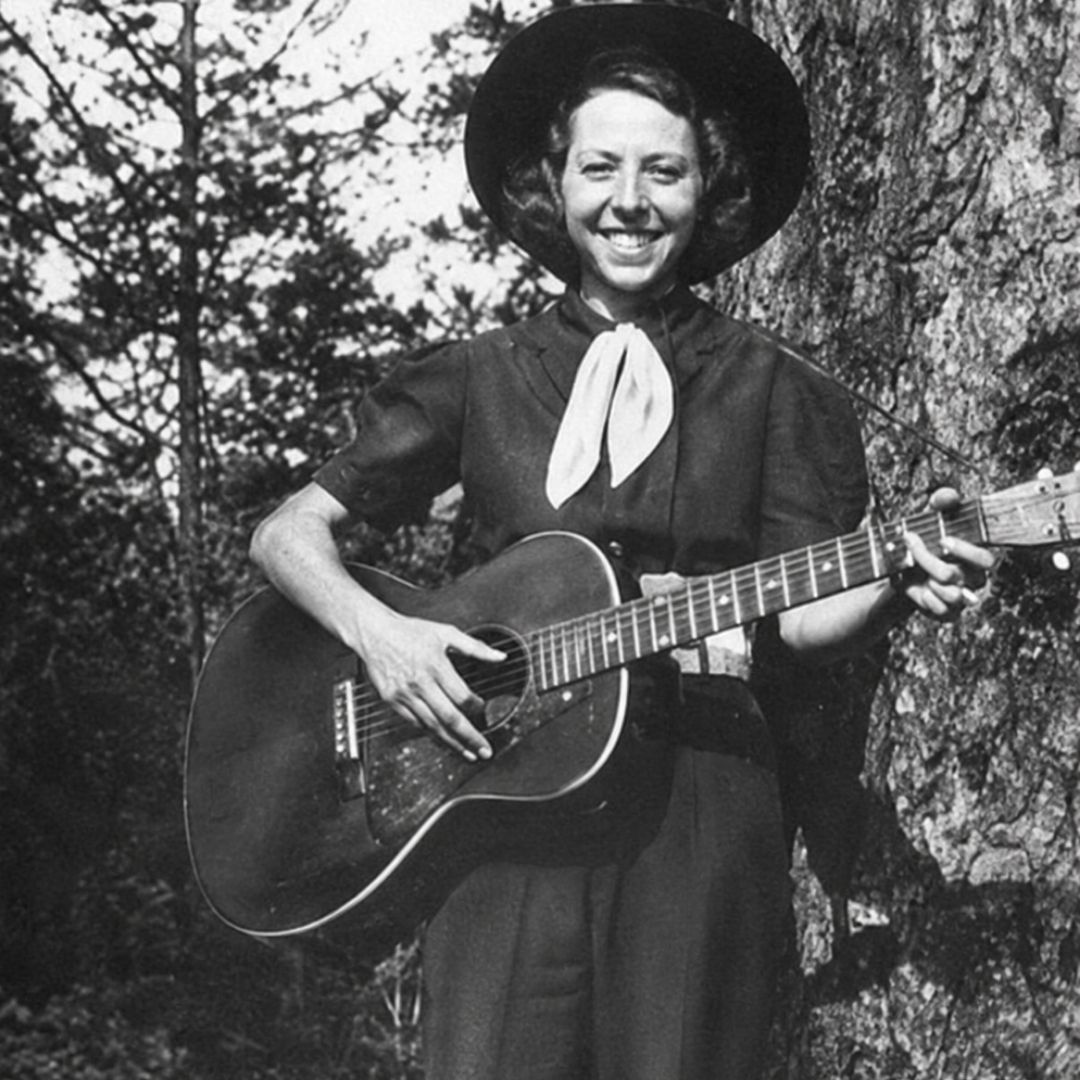
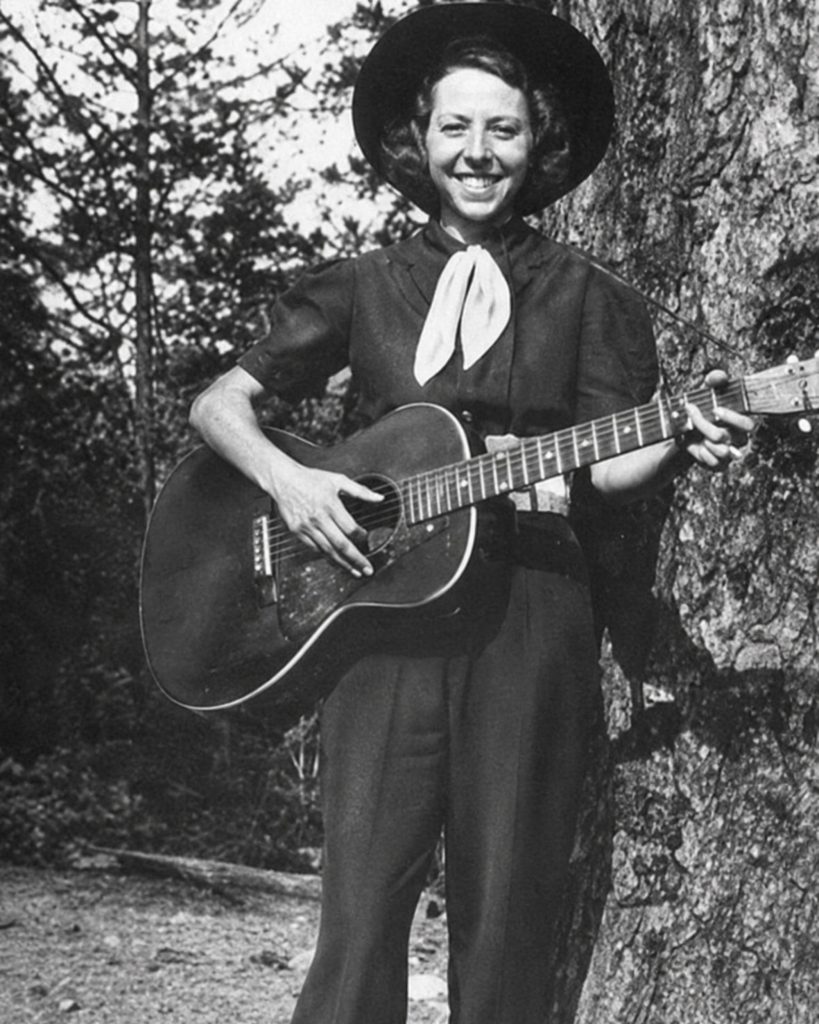
BEFORE NASHVILLE KNEW HOW TO SELL A WILD WOMAN, ROSE MADDOX WAS ALREADY SHOUTING HILLBILLY BOOGIE OUT OF A FAMILY THAT HAD PICKED COTTON TO SURVIVE.
Some country singers came from studios.
Rose Maddox came from migrant camps.
She was only eleven when she started singing in California honky-tonks and labor camps with her family. There was nothing romantic about the beginning. The Maddox family had left Alabama during the Depression and gone west looking for work.
They picked cotton.
They picked fruit.
They followed whatever job would keep food on the table.
And the children learned early that music was not just entertainment.
A song could hold a crowd long enough to buy supper.
Rose Was The Only Girl In The Band
The family act was full of brothers.
Fred.
Cal.
Cliff.
Don.
And Rose.
But they were not building a sweet, polite country show. The Maddox Brothers and Rose played fast, loud, and loose enough to make respectable people nervous.
Country.
Western swing.
Boogie-woogie.
Gospel.
Hillbilly music.
They threw it all together and made it move.
“America’s Most Colorful Hillbilly Band”
That was the name people gave them.
And it fit.
The clothes were bright.
The shows were wild.
Fred Maddox could turn a stage into a circus.
But Rose was the sound people carried home.
She did not sing like a woman waiting to be rescued by love. She sang like somebody who had already survived hard times and had no interest in asking permission to take up space.
That was what made her dangerous.
She Was Doing Female Rebellion Before It Had A Name
Long before Nashville found a clean marketing phrase for rebellious women in country music, Rose Maddox was already doing it in California.
Her voice had crackle.
Her timing had bite.
She could make a song feel like a warning, a joke, a dance, and a fight in the same breath.
Later singers in rockabilly, honky-tonk, bluegrass, and country music that refused to sit still would hear pieces of her in the sound.
She was not trying to fit into a lane.
She was making the lane shake.
The Family Band Could Not Last Forever
The Maddox Brothers and Rose worked from the 1930s into the 1950s.
Then the family band broke apart, as family bands often do.
But Rose did not disappear with it.
She kept going.
Solo country sides.
Gospel records.
Bluegrass sessions.
Work with Buck Owens.
She became one of the first women to make a bluegrass album, carrying that old California roughness into a new part of country music.
Nashville Never Gave Her The Clean Crown
The industry never handed Rose Maddox the polished mainstream crown it gave some other women.
Maybe she was too wild.
Too loud.
Too hard to package.
Too shaped by dance halls, cotton fields, and family survival to become someone else’s idea of a safe country star.
But that was never really her story.
Rose did not need to be smoothed out to matter.
She had already made the noise.
What Rose Maddox Really Leaves Behind
The deepest part of this story is not only that Rose Maddox was a pioneer.
It is where her sound came from.
An Alabama family leaving during the Depression.
California fields.
Cotton and fruit picking.
A little girl singing because music could help the family eat.
Brothers playing too loud.
Bright clothes.
Hillbilly boogie.
A woman standing in front of the band and refusing to shrink.
Rose Maddox came from a family that picked cotton to survive.
By the time she reached a microphone, she already knew how to make noise sound like freedom.
Video