The City Was Already Telling Artists To Stay Away
By 1976, Belfast was not just tense. It was dangerous enough that major acts kept backing out.
Johnny Cash had already canceled an Ulster Hall date in 1971, and just days before Charley Pride’s Belfast run, Tammy Wynette pulled out too. The city was deep in the Troubles, and foreign performers had largely stopped coming.
Charley Went Anyway
That is what makes the story hit so hard.
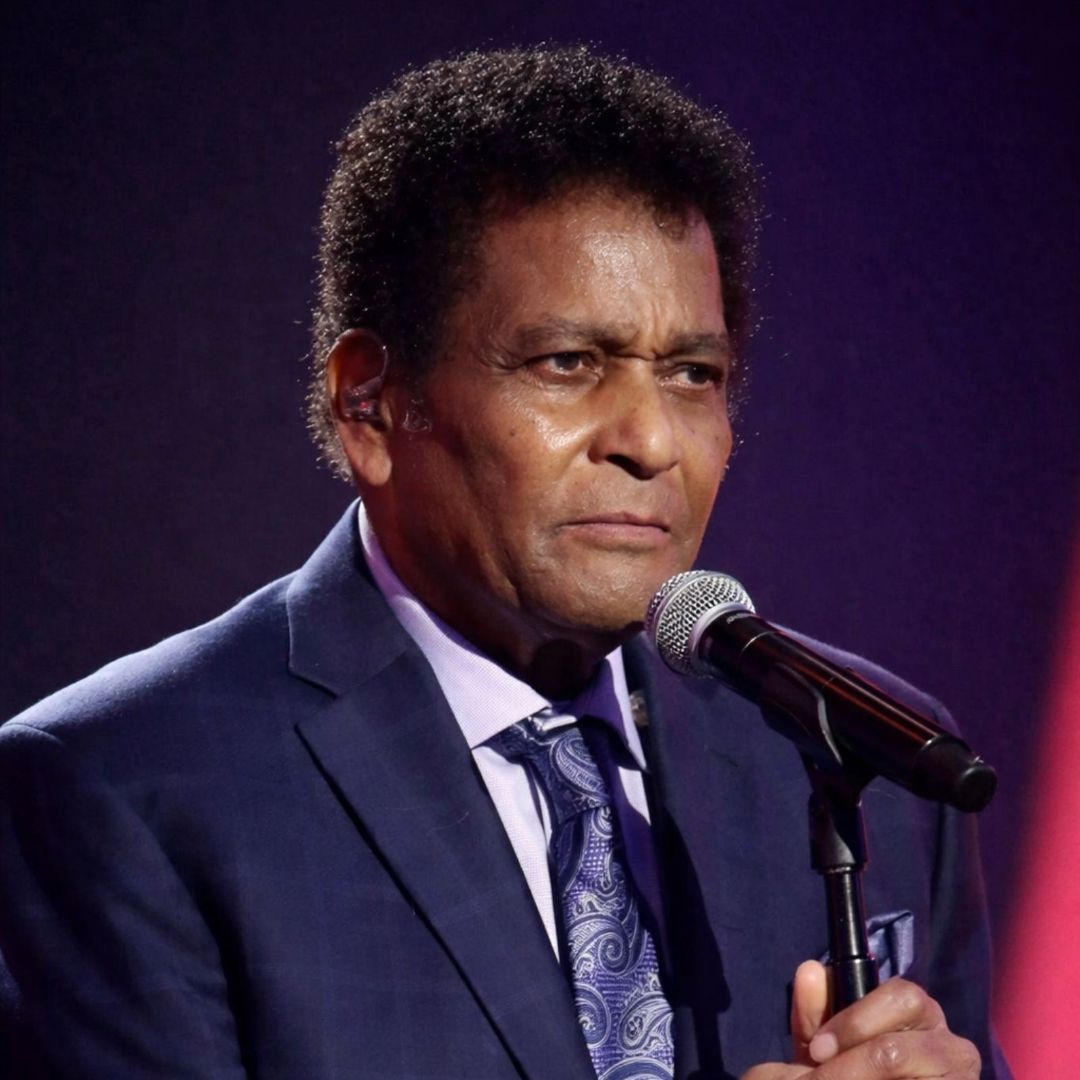
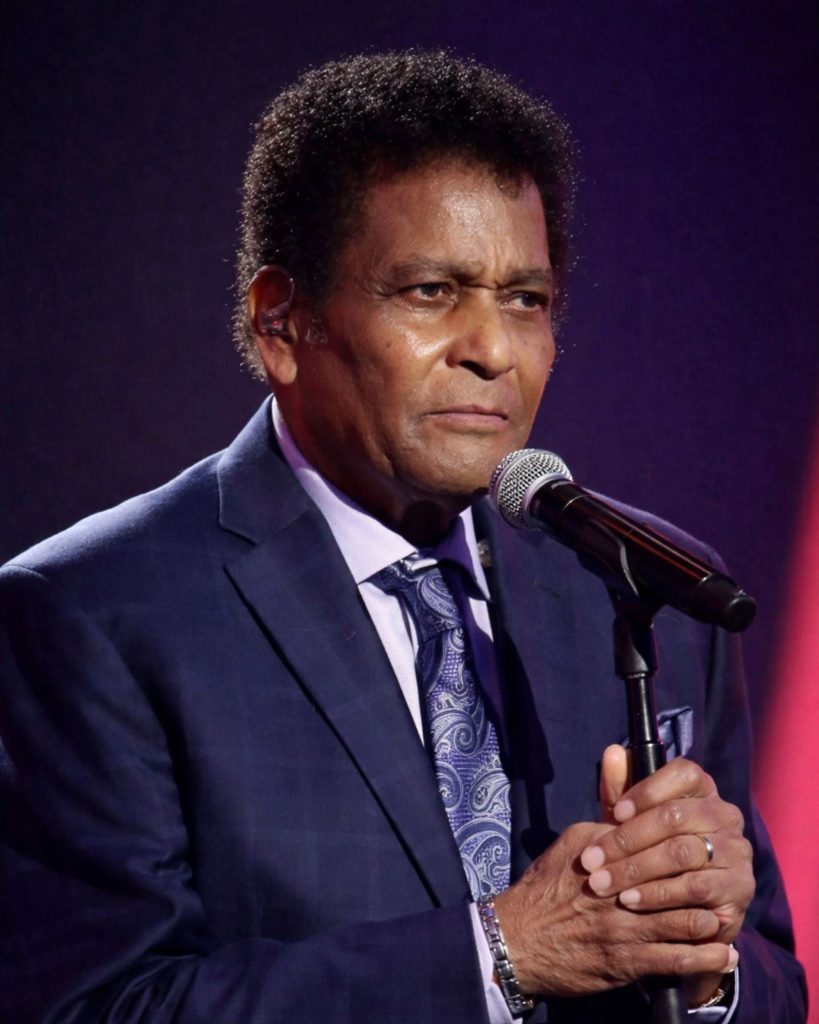
Promoter Jim Aiken had booked Pride for three nights at Belfast’s Ritz cinema in early November 1976, and the shows sold out fast. People around Pride warned him he did not have to go. He went anyway. Later accounts say even Rozene and members of his own camp had serious doubts, but Pride still crossed the border from Dublin and took the stage.
The Room Became Something Rarer Than A Concert
What happened next mattered more than the ticket sales.
Writers and later recollections describe Pride becoming beloved across both Protestant and Catholic communities, with “Crystal Chandeliers” eventually taking on the feel of a unity song in Northern Ireland. The point was not that the conflict disappeared. It was that, for a couple of hours inside that room, the music created a kind of shared space Belfast had very little of at the time.
By The Third Night, The Weight Finally Reached Him
The most revealing part came during “Crystal Chandeliers.”
Pride later said that by his third night in Belfast, he started thinking about the people coming to see him “when there was all this trouble going on,” and he got emotional. He put it in his own plain way: “I don’t do fake tears.” That line lasts because it strips away myth. He was not performing bravery in the abstract. He was reacting to what the room had given back to him.
He Was Not Just Another Artist On The Schedule
That is why this seed holds.
Charley Pride was not simply one more country star who happened to play Belfast. He arrived at a moment when other major names had stepped back, and his appearance helped reopen the idea that international artists could come north again. The Guardian notes that Joan Baez and Tom Paxton followed, and Johnny Cash eventually returned for a Belfast concert in 1979.
The Strongest Version Of The Story
So the heart of it is not just that Tammy Wynette canceled, Johnny Cash canceled, and Charley Pride showed up.
It is that he walked into one of the hardest rooms in the world at that moment, sang anyway, and felt the crowd meet him with something bigger than applause. After that, other artists followed. But Charley got there first.