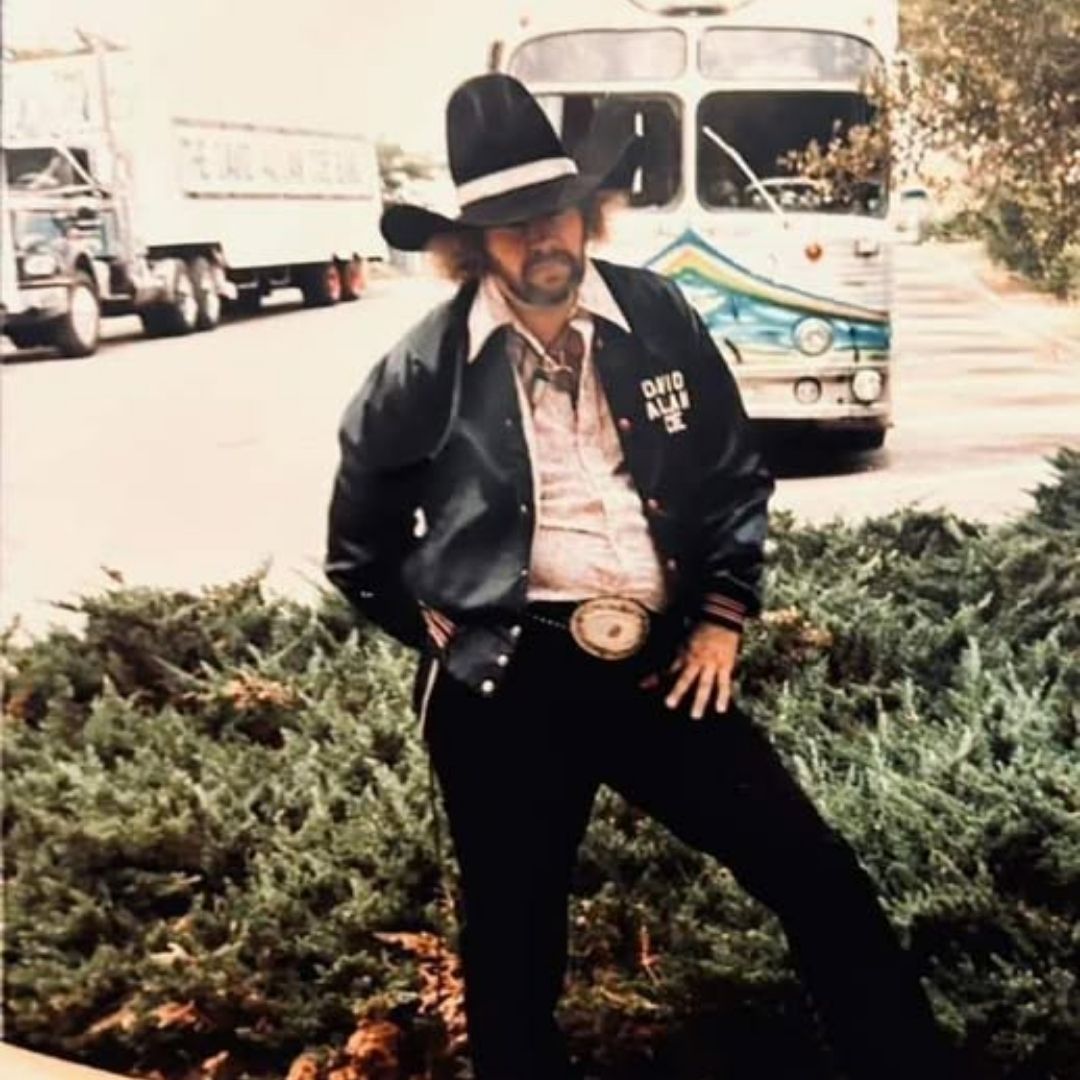
BEFORE NASHVILLE EVER CALLED HIM A SONGWRITER, DAVID ALLAN COE HAD ALREADY WRITTEN SONGS BEHIND BARS. David Allan Coe did not walk into country music looking clean. He came from Akron, Ohio, with a past that followed him like a file folder nobody wanted to open. Reform schools. Trouble. Prison time. Years spent living on the wrong side of every respectable door. Before Nashville knew his name, Coe had already learned how a man sounds when he is locked up with nothing but memory, anger, and a song that will not leave him alone. He was not the kind of artist Nashville liked to introduce politely. When he came out, he did not soften himself into something easy to sell. The hair was long. The clothes were loud. The attitude was half-biker, half-rhinestone cowboy, and all outsider. He looked like a man who had brought the parking lot into the studio. In 1973, Tanya Tucker took “Would You Lay With Me (In a Field of Stone)” to No. 1. She was still a teenager, but the song sounded older than her years — tender, strange, almost like a graveyard promise dressed as a love song. Coe had written it, and suddenly the man with the prison past had a song sitting at the top of the country chart. Then Johnny Paycheck cut “Take This Job and Shove It.” That one did not sound tender. It sounded like a work boot kicking a factory door open. Released in 1977, it became Paycheck’s signature hit, a blue-collar line people could yell when they did not have the nerve to say it for real. Coe wrote the sentence. Paycheck made it famous. America did the rest. For a moment, Nashville had a problem. The man they could not clean up kept handing them songs they could not throw away. Coe tried to stand in the spotlight himself, too. “You Never Even Called Me by My Name” made him a cult hero. “Longhaired Redneck” sounded like a challenge. “The Ride” turned a ghost story with Hank Williams into one of his most lasting records. He was funny, mean, wounded, theatrical, and sometimes impossible to defend. That was the thing with David Allan Coe — the legend never came without the trouble attached. He was not merely playing outlaw. He had lived enough damage that the image did not feel like costume. But the same wildness that made him believable also kept him dangerous. His career never settled into one clean legacy. There were hits. There were controversies. There were loyal fans who swore he was one of the rawest songwriters country ever had. There were others who could not separate the music from the mess around it. Maybe that is why Coe never fit safely inside Nashville history. He wrote songs too strong to erase. And lived a life too jagged to polish.

“Scroll down to the end of the article to listen to music.”

BEFORE NASHVILLE EVER CALLED DAVID ALLAN COE A SONGWRITER, HE HAD ALREADY BEEN WRITING SONGS BEHIND BARS.

Some outlaws are built by marketing.

David Allan Coe came with the damage already attached.

He did not walk into country music looking clean. He came from Akron, Ohio, with a past that followed him like a file folder no polite office wanted to open.

Reform schools.

Trouble.

Prison time.

Years spent on the wrong side of respectable doors before Nashville ever learned what to do with his name.

He Had Already Learned The Sound Of A Locked Room

That is what made Coe different.

Before the record business had a place for him, he already knew what songs could do when a man had nowhere else to go.

Behind bars, memory gets louder.

Anger gets sharper.

Regret has more time to talk.

And a song can become the only thing in the room that still feels like it belongs to you.

Coe did not invent an outlaw image after he got to Nashville.

He brought one in with him.

Nashville Could Not Introduce Him Politely

When he came out, he did not soften himself into something easy to sell.

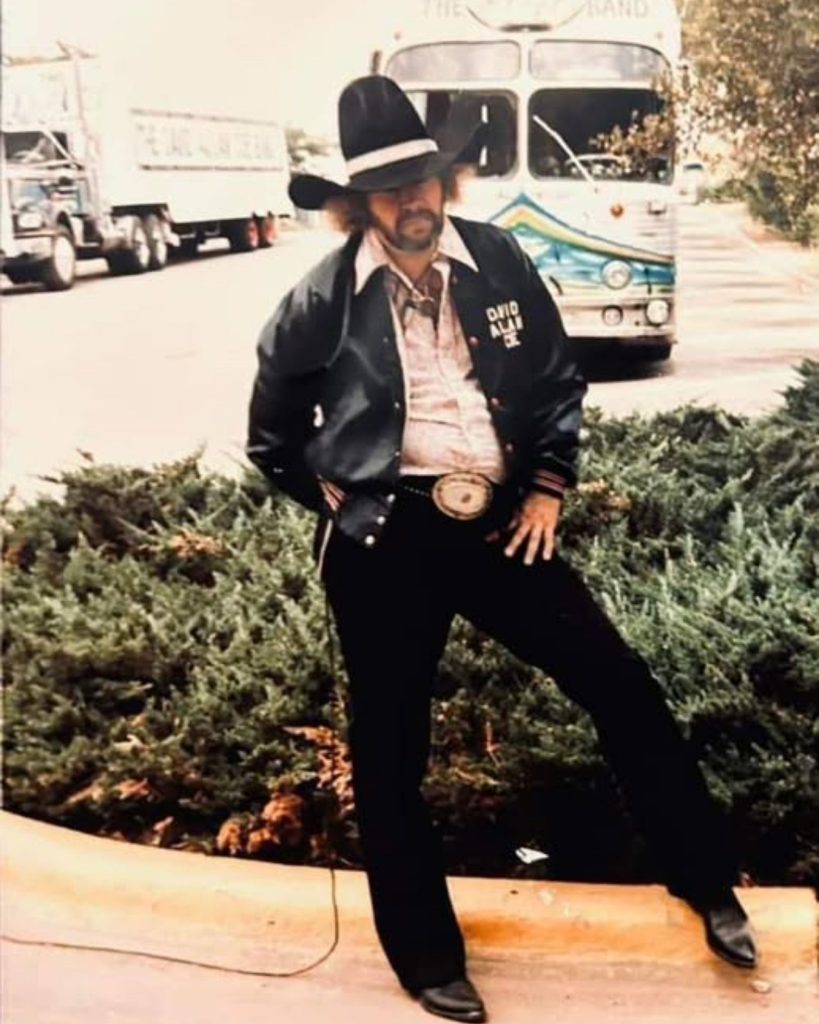
The hair was long.

The clothes were loud.

The attitude was half-biker, half-rhinestone cowboy, and all outsider.

He looked like a man who had dragged the parking lot into the studio and dared Music Row to ask him to leave.

That made him hard to package.

But the songs were harder to ignore.

Tanya Tucker Took One Of Them To No. 1

In 1973, Tanya Tucker recorded “Would You Lay With Me (In a Field of Stone).”

She was still a teenager.

But the song sounded old, strange, tender, and almost haunted — a love song with graveyard dust around the edges.

David Allan Coe wrote it.

And suddenly, the man Nashville did not know how to clean up had a song sitting at the top of the country chart.

That changed the conversation.

Not because he had become safe.

Because the work was undeniable.

Then Paycheck Took The Other Kind Of Coe Song

A few years later came “Take This Job and Shove It.”

Johnny Paycheck cut it in 1977.

That one did not sound tender.

It sounded like a work boot kicking open a factory door.

A tired man saying the sentence he had swallowed for too many years.

Paycheck made it famous.

America made it a blue-collar anthem.

But Coe wrote the line.

That was the problem Nashville kept having with him.

The man they could not polish kept handing them songs they could not throw away.

He Wanted The Spotlight Too

Coe was not content to stay behind other singers.

He stepped forward with his own records and made himself impossible to miss.

“You Never Even Called Me by My Name” turned him into a cult figure.

“Longhaired Redneck” sounded like a challenge thrown at both Nashville and the crowd.

“The Ride” put a ghostly Hank Williams on the highway and gave Coe one of his most lasting records.

He could be funny.

Mean.

Wounded.

Theatrical.

Brilliant one minute and hard to defend the next.

That was always the complication.

The Trouble Never Left The Legend

David Allan Coe was not merely playing outlaw.

He had lived enough damage for the image to feel real.

But the same wildness that made him believable also made him dangerous to hold up cleanly. His career never settled into one easy shape. There were strong songs, loyal fans, ugly controversies, and a jagged reputation that no Hall of Fame-style paragraph could smooth out.

With Coe, the music and the mess were never far apart.

That is why he still makes people argue.

What David Allan Coe Really Leaves Behind

The deepest part of this story is not only that David Allan Coe wrote hits.

It is that Nashville had to take songs from a man it never fully knew how to accept.

A prison past.

A long-haired outsider.

A No. 1 for Tanya Tucker.

A working-man anthem for Johnny Paycheck.

A cult career built on defiance, humor, wounds, and trouble.

And somewhere inside all of it was the reason Coe never fit safely inside country history:

He wrote songs too strong to erase.

And lived a life too jagged to polish.

Video

Related Post

THE SONG BLAMED WOMEN FOR HONKY-TONK SIN. KITTY WELLS ANSWERED IT — AND COUNTRY MUSIC HAD TO MAKE ROOM FOR A WOMAN. Before Kitty Wells became the Queen of Country Music, she was Muriel Deason from Nashville, a wife, a mother, and a working singer who had spent years on the road with her husband, Johnnie Wright. She was not a young industry project waiting to be polished. By 1952, she was already 33 years old, with children at home and more road behind her than most new stars were allowed to admit. Country music still belonged mostly to men on the radio, men in the charts, men telling the story from their side of the bar. Then Hank Thompson had a huge hit with “The Wild Side of Life.” The song carried one line that landed hard: he “didn’t know God made honky-tonk angels.” In the world of that lyric, the woman had fallen, the man had been hurt, and the blame sat neatly on her shoulders. It was the kind of country song people already understood. A good man wronged. A woman gone bad. A jukebox full of judgment. J.D. “Jay” Miller wrote the answer. Kitty Wells did not go into Castle Studio in Nashville thinking she was about to start a revolution. The story often told is simpler than that: she wanted the session fee. On May 3, 1952, she cut “It Wasn’t God Who Made Honky Tonk Angels” for Decca. The melody felt familiar. The message did not. This time, the woman answered back. The song did not excuse heartbreak. It shifted the blame. For every woman accused of going wrong, there was a man who had helped lead her there. For every honky-tonk angel judged from the outside, there was a private story country music had not bothered to hear. Some radio stations did not like it. The Grand Ole Opry was cautious with it. A woman singing that plainly about male hypocrisy was not exactly the safe choice in 1952. But listeners heard it anyway. The record went to No. 1 on the country chart. Not just a hit. A first. Kitty Wells became the first solo female artist to top Billboard’s country chart, and the door she opened did not close behind her. After that came years of hits. “Making Believe.” “Searching.” “I Can’t Stop Loving You.” Duets. Tours. A voice that did not need to shout to sound firm. Loretta Lynn, Tammy Wynette, Dolly Parton, and the women who came later did not copy Kitty Wells exactly. They inherited the space she forced open. That is the part that still matters. Kitty Wells did not storm country music with a speech. She stood at a microphone and sang the answer the men had not written for themselves.

CARL SMITH HAD THIRTY TOP TEN HITS AND GOLDIE HILL HAD ALREADY MADE HISTORY FOR WOMEN IN COUNTRY. THEN BOTH OF THEM LET THE ROAD GO QUIET AND BUILT A LIFE AROUND HORSES INSTEAD. Carl Smith did not leave country music because he could not get there. He had already been there. By the 1950s, “Mister Country” was one of the strongest men on the charts, a Grand Ole Opry star with a run of hits that made him one of the decade’s cleanest winners. Goldie Hill had her own history before she became his wife. “I Let the Stars Get in My Eyes” went to No. 1 in 1953, at a time when very few women were allowed to stand that high in country music. They married in 1957. For a while, they were still inside the business. Goldie toured with Carl on the Philip Morris Country Music Show. Carl kept recording, kept charting, kept carrying the hard-country polish that made him famous. But the center of their life started moving away from hotel rooms and dressing rooms. Goldie nearly stopped touring after the marriage, though she kept recording for a time. Carl’s love of horses grew into something bigger than a hobby. By the late 1970s, Carl stepped away too. He had made enough money, built enough publishing and real estate security, and chosen not to keep chasing a business that was already changing around him. He and Goldie settled into ranch life near Franklin, Tennessee, raising quarter horses and working around cutting horses. The strange part was how complete the exit became. Even when Carl was inducted into the Country Music Hall of Fame in 2003, he did not turn it into a comeback. Some country stars leave because the crowd leaves first. Carl Smith and Goldie Hill left while their names still meant something — and let the sound of applause get replaced by hoofbeats on their own land.

You Missed

BEFORE NASHVILLE EVER CALLED HIM A SONGWRITER, DAVID ALLAN COE HAD ALREADY WRITTEN SONGS BEHIND BARS. David Allan Coe did not walk into country music looking clean. He came from Akron, Ohio, with a past that followed him like a file folder nobody wanted to open. Reform schools. Trouble. Prison time. Years spent living on the wrong side of every respectable door. Before Nashville knew his name, Coe had already learned how a man sounds when he is locked up with nothing but memory, anger, and a song that will not leave him alone. He was not the kind of artist Nashville liked to introduce politely. When he came out, he did not soften himself into something easy to sell. The hair was long. The clothes were loud. The attitude was half-biker, half-rhinestone cowboy, and all outsider. He looked like a man who had brought the parking lot into the studio. In 1973, Tanya Tucker took “Would You Lay With Me (In a Field of Stone)” to No. 1. She was still a teenager, but the song sounded older than her years — tender, strange, almost like a graveyard promise dressed as a love song. Coe had written it, and suddenly the man with the prison past had a song sitting at the top of the country chart. Then Johnny Paycheck cut “Take This Job and Shove It.” That one did not sound tender. It sounded like a work boot kicking a factory door open. Released in 1977, it became Paycheck’s signature hit, a blue-collar line people could yell when they did not have the nerve to say it for real. Coe wrote the sentence. Paycheck made it famous. America did the rest. For a moment, Nashville had a problem. The man they could not clean up kept handing them songs they could not throw away. Coe tried to stand in the spotlight himself, too. “You Never Even Called Me by My Name” made him a cult hero. “Longhaired Redneck” sounded like a challenge. “The Ride” turned a ghost story with Hank Williams into one of his most lasting records. He was funny, mean, wounded, theatrical, and sometimes impossible to defend. That was the thing with David Allan Coe — the legend never came without the trouble attached. He was not merely playing outlaw. He had lived enough damage that the image did not feel like costume. But the same wildness that made him believable also kept him dangerous. His career never settled into one clean legacy. There were hits. There were controversies. There were loyal fans who swore he was one of the rawest songwriters country ever had. There were others who could not separate the music from the mess around it. Maybe that is why Coe never fit safely inside Nashville history. He wrote songs too strong to erase. And lived a life too jagged to polish.

THE SONG BLAMED WOMEN FOR HONKY-TONK SIN. KITTY WELLS ANSWERED IT — AND COUNTRY MUSIC HAD TO MAKE ROOM FOR A WOMAN. Before Kitty Wells became the Queen of Country Music, she was Muriel Deason from Nashville, a wife, a mother, and a working singer who had spent years on the road with her husband, Johnnie Wright. She was not a young industry project waiting to be polished. By 1952, she was already 33 years old, with children at home and more road behind her than most new stars were allowed to admit. Country music still belonged mostly to men on the radio, men in the charts, men telling the story from their side of the bar. Then Hank Thompson had a huge hit with “The Wild Side of Life.” The song carried one line that landed hard: he “didn’t know God made honky-tonk angels.” In the world of that lyric, the woman had fallen, the man had been hurt, and the blame sat neatly on her shoulders. It was the kind of country song people already understood. A good man wronged. A woman gone bad. A jukebox full of judgment. J.D. “Jay” Miller wrote the answer. Kitty Wells did not go into Castle Studio in Nashville thinking she was about to start a revolution. The story often told is simpler than that: she wanted the session fee. On May 3, 1952, she cut “It Wasn’t God Who Made Honky Tonk Angels” for Decca. The melody felt familiar. The message did not. This time, the woman answered back. The song did not excuse heartbreak. It shifted the blame. For every woman accused of going wrong, there was a man who had helped lead her there. For every honky-tonk angel judged from the outside, there was a private story country music had not bothered to hear. Some radio stations did not like it. The Grand Ole Opry was cautious with it. A woman singing that plainly about male hypocrisy was not exactly the safe choice in 1952. But listeners heard it anyway. The record went to No. 1 on the country chart. Not just a hit. A first. Kitty Wells became the first solo female artist to top Billboard’s country chart, and the door she opened did not close behind her. After that came years of hits. “Making Believe.” “Searching.” “I Can’t Stop Loving You.” Duets. Tours. A voice that did not need to shout to sound firm. Loretta Lynn, Tammy Wynette, Dolly Parton, and the women who came later did not copy Kitty Wells exactly. They inherited the space she forced open. That is the part that still matters. Kitty Wells did not storm country music with a speech. She stood at a microphone and sang the answer the men had not written for themselves.

CARL SMITH HAD THIRTY TOP TEN HITS AND GOLDIE HILL HAD ALREADY MADE HISTORY FOR WOMEN IN COUNTRY. THEN BOTH OF THEM LET THE ROAD GO QUIET AND BUILT A LIFE AROUND HORSES INSTEAD. Carl Smith did not leave country music because he could not get there. He had already been there. By the 1950s, “Mister Country” was one of the strongest men on the charts, a Grand Ole Opry star with a run of hits that made him one of the decade’s cleanest winners. Goldie Hill had her own history before she became his wife. “I Let the Stars Get in My Eyes” went to No. 1 in 1953, at a time when very few women were allowed to stand that high in country music. They married in 1957. For a while, they were still inside the business. Goldie toured with Carl on the Philip Morris Country Music Show. Carl kept recording, kept charting, kept carrying the hard-country polish that made him famous. But the center of their life started moving away from hotel rooms and dressing rooms. Goldie nearly stopped touring after the marriage, though she kept recording for a time. Carl’s love of horses grew into something bigger than a hobby. By the late 1970s, Carl stepped away too. He had made enough money, built enough publishing and real estate security, and chosen not to keep chasing a business that was already changing around him. He and Goldie settled into ranch life near Franklin, Tennessee, raising quarter horses and working around cutting horses. The strange part was how complete the exit became. Even when Carl was inducted into the Country Music Hall of Fame in 2003, he did not turn it into a comeback. Some country stars leave because the crowd leaves first. Carl Smith and Goldie Hill left while their names still meant something — and let the sound of applause get replaced by hoofbeats on their own land.