“Scroll down to the end of the article to listen to music.”
Introduction

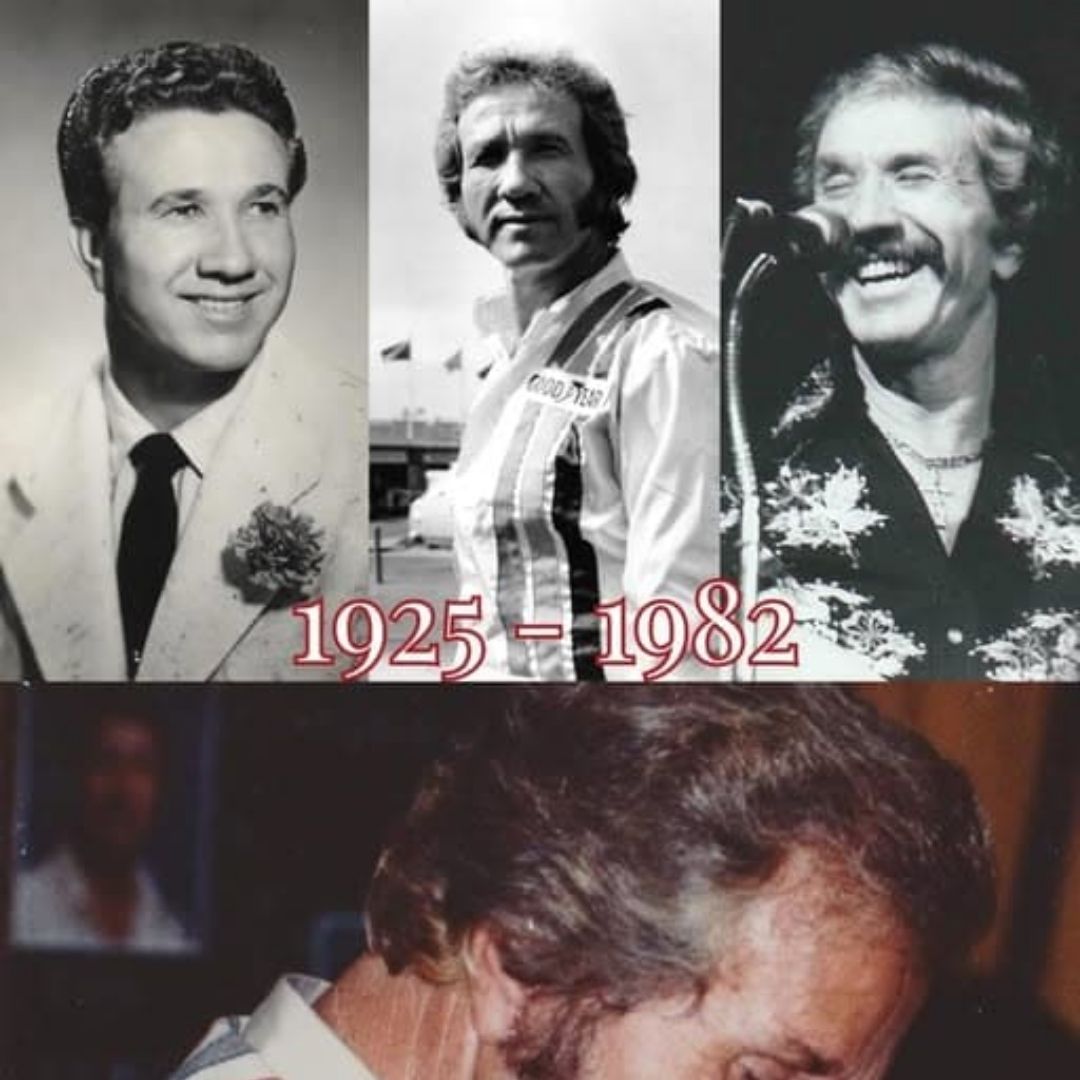
There are love songs, and then there are songs that feel like they’re written straight from the heart of a man who truly lived every word. Marty Robbins’ “My Woman, My Woman, My Wife” belongs to the latter.

Released in 1970, this ballad is Marty at his most vulnerable. It’s not the cowboy storytelling we often associate with him — no gunfights, no wild west adventure — but something far more personal: a tribute to the quiet strength of the woman who stands beside him. The lyrics read like a love letter, tenderly acknowledging the sacrifices, the patience, and the unshakable support that often go unnoticed in everyday life.

What makes the song so moving is its honesty. Marty doesn’t dress it up with grand gestures; instead, he paints a picture of love that’s built on endurance, resilience, and devotion. It resonated with listeners everywhere, climbing to No. 1 on the country charts and winning him the Grammy Award for Best Country Song in 1971. But the true victory was how deeply it touched people who recognized their own relationships in its lines.

Even now, decades later, the song feels like a reminder to cherish the people who walk through life’s storms with us. It’s a simple message, but it carries a lifetime of gratitude. When Marty sang “to my woman, my woman, my wife,” you could feel that he wasn’t just performing a song — he was offering a prayer of thanks.

Video

Lyrics

Hands that are strong but wrinkled
Doing work that never gets done
Hair, that’s lost some of the beauty
By too many hours in the sun
Eyes, that show some disappointment
And there’s been quite a lot in her life
She’s the foundation I lean on
My woman, my woman, my wife
Everyday has been uphill
Oh, we climb but we can’t reach the top
I’m weak and I’m easily discouraged
She just smiles when I want to stop
Lips, that are weary but tender
With love, that strengthens my life
A saint, in a dress made of gingham
My woman, my woman, my wife
Two little babies were born in the spring
But died when the winter was new
I lost control of my mind and my soul
But my woman’s faith carried us through
When she reaches that river
Lord, you know what she’s worth
Give her that mansion up yonder
‘Cause she’s been through hell here on earth
Lord, give her my share of Heaven
If I’ve earned any here in this life
‘Cause God, I believe she deserves it
My woman, my woman, my wife

Related Post

“BLUE SUEDE SHOES” WAS CLIMBING THE CHARTS WHEN CARL PERKINS GOT IN THE CAR FOR NEW YORK. HE WAS SUPPOSED TO SING IT ON NATIONAL TELEVISION. HE NEVER MADE IT THERE. Carl Perkins did not come out of glamour. He came out of Tennessee cotton fields, honky-tonks, and the raw edge where country music, blues, and rockabilly were starting to collide. Sun Records had already sent Elvis Presley into the world, but Carl was not trying to copy anybody. He had his brothers beside him, a guitar in his hands, and a song that sounded like a match hitting dry wood. “Blue Suede Shoes” was released in 1956 and took off fast. It was wild, simple, and dangerous in the way early rock and roll could be. Country stations played it. Pop listeners caught it. R&B charts noticed it too. For a poor Tennessee boy who had spent years working and playing rough little rooms, the door was finally opening. Then came the trip to New York. Perkins and his band were headed to appear on The Perry Como Show, the kind of national television spot that could have put his own face permanently beside his own song. On the way, their car struck a poultry truck in Delaware. The truck driver was killed. Carl suffered serious injuries. His brother Jay broke his neck and suffered internal injuries. The television appearance was gone. By the time Carl recovered, Elvis Presley’s version of “Blue Suede Shoes” had reached millions of people through television and RCA power. Carl Perkins still had the song. He still had the gold record. But the moment that might have made him the face of it had been left on the highway. Rock and roll kept moving. Carl had to heal while his own song ran ahead without him.

HE OPENED THE ENVELOPE, SAW JOHN DENVER’S NAME, AND SET COUNTRY MUSIC’S BIGGEST AWARD ON FIRE. Charlie Rich had not come to Nashville as a clean country product. He was born in Colt, Arkansas, raised around gospel, blues, jazz, and cotton-field country. His mother played piano in church. A Black sharecropper named C. J. Allen helped teach him blues piano. By the time Rich found his way through Sun Records, RCA, Smash, Hi, and finally Epic, he had already been too jazzy for country, too country for pop, and too strange for the easy lane. Then 1973 changed everything. “Behind Closed Doors” hit. “The Most Beautiful Girl” hit even bigger. Rich became the Silver Fox, won major awards, and in 1974 took CMA Entertainer of the Year. For one year, the man Nashville had never known how to file became the man holding its highest prize. On October 13, 1975, he walked back onstage at the CMA Awards to name the next Entertainer of the Year. He opened the envelope. John Denver. Rich paused, pulled out a lighter, and burned the card before announcing, “My friend, Mr. John Denver.” Some called it protest. Some called it drunken bad judgment. His son later said Rich had pain medication, gin and tonics, a broken foot, and thought it would be funny — not a personal attack on Denver. The explanation came later. The image stayed first. A white-haired country star. A live television stQage. One burning slip of paper. And a career that never fully stepped out of that smoke.

THEY GOT MARRIED ON A CONCERT STAGE IN WICHITA. LESS THAN THREE YEARS LATER, JEAN SHEPARD WAS LEFT WITH TWO SONS AND A HUSBAND COUNTRY MUSIC COULD ONLY HEAR ON RECORDS. They met inside the world that had already claimed both of them — radio shows, road dates, the Grand Ole Opry, dressing rooms, and the kind of touring life where a singer’s home could feel like whatever town had the next stage. Jean was not fragile. She had already fought her way into hard country when women were still expected to sound sweeter than the men around them. “A Dear John Letter” had taken her to No. 1. The Opry had taken her in. She had survived one bad early marriage and kept her career anyway. Hawkshaw was different. Six-foot-five. Smooth. Charismatic. A West Virginia singer people called “Eleven Yards of Personality.” He had the height, the grin, and the kind of stage presence that made a crowd feel like he had walked in from a bigger life. On November 26, 1960, they married onstage during a concert in Wichita, Kansas. It was not just a courthouse promise. Ken Nelson gave Jean away. A local disc jockey broadcast the ceremony over the radio. The crowd was there. The music world was there. Their private vow entered country history through a microphone. For a while, it looked like the show and the marriage could live together. They toured. They built a home in Goodlettsville. They had a son, Don Robin, named after friends Don Gibson and Marty Robbins. Jean became pregnant again. Then the calendar turned cruel. The marriage that had started in front of an audience ended with Jean carrying the part no audience could sing for her — a toddler, an unborn child, and a husband whose voice kept climbing the chart after he was gone.

You Missed

“BLUE SUEDE SHOES” WAS CLIMBING THE CHARTS WHEN CARL PERKINS GOT IN THE CAR FOR NEW YORK. HE WAS SUPPOSED TO SING IT ON NATIONAL TELEVISION. HE NEVER MADE IT THERE. Carl Perkins did not come out of glamour. He came out of Tennessee cotton fields, honky-tonks, and the raw edge where country music, blues, and rockabilly were starting to collide. Sun Records had already sent Elvis Presley into the world, but Carl was not trying to copy anybody. He had his brothers beside him, a guitar in his hands, and a song that sounded like a match hitting dry wood. “Blue Suede Shoes” was released in 1956 and took off fast. It was wild, simple, and dangerous in the way early rock and roll could be. Country stations played it. Pop listeners caught it. R&B charts noticed it too. For a poor Tennessee boy who had spent years working and playing rough little rooms, the door was finally opening. Then came the trip to New York. Perkins and his band were headed to appear on The Perry Como Show, the kind of national television spot that could have put his own face permanently beside his own song. On the way, their car struck a poultry truck in Delaware. The truck driver was killed. Carl suffered serious injuries. His brother Jay broke his neck and suffered internal injuries. The television appearance was gone. By the time Carl recovered, Elvis Presley’s version of “Blue Suede Shoes” had reached millions of people through television and RCA power. Carl Perkins still had the song. He still had the gold record. But the moment that might have made him the face of it had been left on the highway. Rock and roll kept moving. Carl had to heal while his own song ran ahead without him.

HE OPENED THE ENVELOPE, SAW JOHN DENVER’S NAME, AND SET COUNTRY MUSIC’S BIGGEST AWARD ON FIRE. Charlie Rich had not come to Nashville as a clean country product. He was born in Colt, Arkansas, raised around gospel, blues, jazz, and cotton-field country. His mother played piano in church. A Black sharecropper named C. J. Allen helped teach him blues piano. By the time Rich found his way through Sun Records, RCA, Smash, Hi, and finally Epic, he had already been too jazzy for country, too country for pop, and too strange for the easy lane. Then 1973 changed everything. “Behind Closed Doors” hit. “The Most Beautiful Girl” hit even bigger. Rich became the Silver Fox, won major awards, and in 1974 took CMA Entertainer of the Year. For one year, the man Nashville had never known how to file became the man holding its highest prize. On October 13, 1975, he walked back onstage at the CMA Awards to name the next Entertainer of the Year. He opened the envelope. John Denver. Rich paused, pulled out a lighter, and burned the card before announcing, “My friend, Mr. John Denver.” Some called it protest. Some called it drunken bad judgment. His son later said Rich had pain medication, gin and tonics, a broken foot, and thought it would be funny — not a personal attack on Denver. The explanation came later. The image stayed first. A white-haired country star. A live television stQage. One burning slip of paper. And a career that never fully stepped out of that smoke.

THEY GOT MARRIED ON A CONCERT STAGE IN WICHITA. LESS THAN THREE YEARS LATER, JEAN SHEPARD WAS LEFT WITH TWO SONS AND A HUSBAND COUNTRY MUSIC COULD ONLY HEAR ON RECORDS. They met inside the world that had already claimed both of them — radio shows, road dates, the Grand Ole Opry, dressing rooms, and the kind of touring life where a singer’s home could feel like whatever town had the next stage. Jean was not fragile. She had already fought her way into hard country when women were still expected to sound sweeter than the men around them. “A Dear John Letter” had taken her to No. 1. The Opry had taken her in. She had survived one bad early marriage and kept her career anyway. Hawkshaw was different. Six-foot-five. Smooth. Charismatic. A West Virginia singer people called “Eleven Yards of Personality.” He had the height, the grin, and the kind of stage presence that made a crowd feel like he had walked in from a bigger life. On November 26, 1960, they married onstage during a concert in Wichita, Kansas. It was not just a courthouse promise. Ken Nelson gave Jean away. A local disc jockey broadcast the ceremony over the radio. The crowd was there. The music world was there. Their private vow entered country history through a microphone. For a while, it looked like the show and the marriage could live together. They toured. They built a home in Goodlettsville. They had a son, Don Robin, named after friends Don Gibson and Marty Robbins. Jean became pregnant again. Then the calendar turned cruel. The marriage that had started in front of an audience ended with Jean carrying the part no audience could sing for her — a toddler, an unborn child, and a husband whose voice kept climbing the chart after he was gone.

JEAN SHEPARD CUT “LONESOME 7-7203” BEFORE HER HUSBAND DID. CAPITOL LEFT IT SITTING. THEN HAWKSHAW HAWKINS RECORDED IT — AND DIED THREE DAYS AFTER ITS RELEASE. The song did not start as Hawkshaw Hawkins’ last hit. It passed through Jean Shepard first. By the early 1960s, Jean was already one of country music’s toughest women. She had come up through honky-tonk, made “A Dear John Letter” a No. 1 duet, joined the Grand Ole Opry, and proved she was not just a pretty harmony voice in a man’s business. Hawkshaw Hawkins was already part of that same Opry world. Tall, smooth, steady, with a career that had stretched from West Virginia radio to national country stages. He and Jean married in 1960. Two singers. Two roads. One house outside Nashville. Then came a Justin Tubb song called “Lonesome 7-7203.” Jean recorded it for Capitol, but the label left it unreleased. The song sat there. A lonely telephone number. A heartbreak line waiting for somebody to dial it. Hawkshaw finally told her that if Capitol was not going to release it, he would record it himself. King Records released his version on March 2, 1963. Three days later, Hawkshaw Hawkins was dead. The plane crash near Camden took him, Patsy Cline, Cowboy Copas, and pilot Randy Hughes. Jean was left with the grief, the children, and the strange sound of her husband’s voice still rising on the radio. Then the song climbed. “Lonesome 7-7203” reached No. 1 after Hawkshaw was gone. Jean had recorded it first. Hawkshaw made it immortal. Country music kept dialing the number after the man who sang it could no longer answer.