“Scroll down to the end of the article to listen to music.”
Introduction

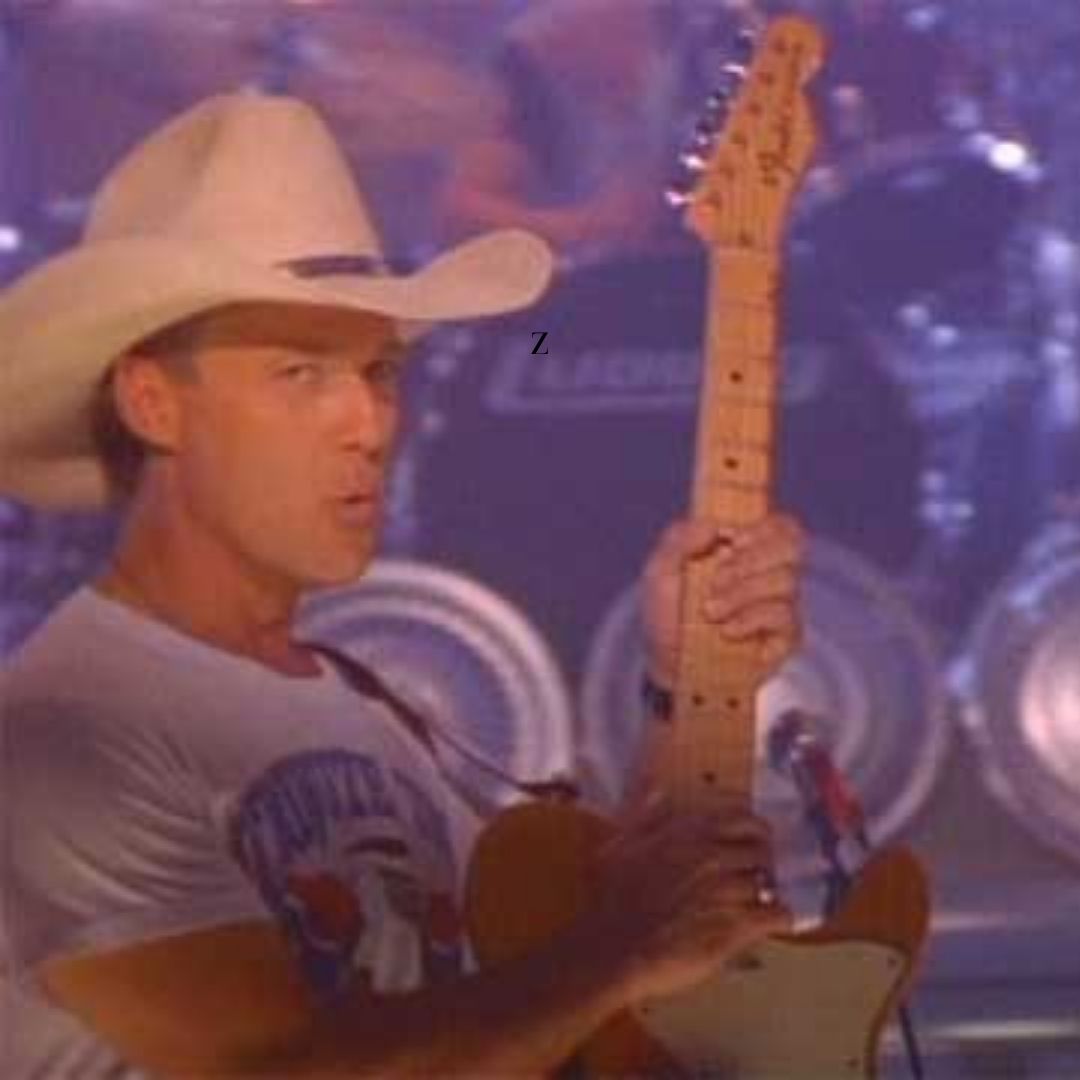
I still remember the first time I heard “Just as I Am” by Ricky Van Shelton. It was a quiet Sunday afternoon, and my father had the radio tuned to a classic country station. The song’s gentle melody and heartfelt lyrics drifted through the house, stopping me in my tracks. There was something raw and honest about it—a simplicity that felt like a warm embrace. Little did I know then that this track, released in 1993, carried a story of its own, one tied to a country music star at a turning point in his career. It’s a song that invites you in, much like a personal confession set to music, and I’ve been captivated by its charm ever since.

About The Composition

  • Title: Just as I Am
  • Composer: Larry Boone and Paul Nelson
  • Premiere Date: March 1993
  • Album/Opus/Collection: Greatest Hits Plus
  • Genre: Country

Background

“Just as I Am” emerged during a transitional phase for Ricky Van Shelton, a celebrated figure in country music whose star had shone brightly in the late 1980s and early 1990s. Written by Larry Boone and Paul Nelson, the song was released as the third single from Shelton’s Greatest Hits Plus compilation album in March 1993. By this time, Shelton had already notched an impressive string of hits, including ten Number One singles on the Billboard Hot Country Songs chart. However, the early 1990s brought shifts in the country music landscape, and Shelton’s chart dominance began to wane. This track peaked at #26 on the Billboard Hot Country Singles & Tracks chart—a modest showing compared to his earlier triumphs. Still, its inclusion on a greatest hits album underscores its significance as a reflective piece in his repertoire. The song captures a moment of introspection for Shelton, aligning with his personal struggles, including his battle with alcoholism, which he openly addressed around this period. It’s a quiet testament to resilience, offering listeners a glimpse into the man behind the music.

Musical Style

“Just as I Am” is quintessential country in its simplicity and emotional directness. The song features a classic arrangement typical of Shelton’s style—smooth vocals layered over acoustic guitar, understated percussion, and subtle steel guitar flourishes. Its structure is straightforward, with verses that build gently into a chorus that feels both personal and universal. There’s no flashiness here; instead, the instrumentation serves as a backdrop to Shelton’s warm, resonant voice, allowing the lyrics to take center stage. The tempo is moderate, giving the song a contemplative feel that mirrors its themes of self-acceptance and vulnerability. This restraint is what makes it stand out—it’s a masterclass in letting the story and emotion drive the music, a hallmark of traditional country storytelling.

Lyrics/Libretto

The lyrics of “Just as I Am” are a tender exploration of humility and authenticity. They speak to a narrator who offers himself as he is—flawed, unpolished, yet earnest. Lines like “Just as I am, without one plea” (borrowing from the hymn of the same name) evoke a spiritual undertone, suggesting a plea for acceptance, whether from a lover, a higher power, or oneself. The words resonate with Shelton’s own life at the time, reflecting a man grappling with his identity amid personal and professional challenges. Paired with the song’s gentle melody, the lyrics create a sense of intimacy, as if Shelton is confiding in the listener directly. It’s less a grand narrative and more a quiet moment of truth, making it relatable to anyone who’s ever sought forgiveness or understanding.

Performance History

While “Just as I Am” didn’t achieve the chart-topping success of Shelton’s earlier hits, it found a home among his dedicated fans. Released as part of Greatest Hits Plus, it was overshadowed by the album’s lead single, “Wild Man,” which reached #5. Still, the song’s understated beauty has kept it alive in live performances and radio airplay over the years. Shelton’s live renditions often highlighted his ability to connect with audiences, his voice carrying the weight of lived experience. Though it lacks the storied performance history of classical masterpieces, its presence in Shelton’s catalog marks it as a fan favorite, a hidden gem that showcases his vocal sincerity over commercial flash.

Cultural Impact

Beyond its initial release, “Just as I Am” taps into a broader cultural thread of country music as a medium for personal storytelling. Its connection to the hymn of the same name—famously associated with religious revivals—adds a layer of spiritual resonance that echoes through American culture. While it hasn’t been widely featured in films or TV, its themes of redemption and simplicity align with the ethos of country music’s golden era. For fans, it’s a reminder of Shelton’s peak years, a time when his voice dominated the airwaves. Its influence lies more in its quiet persistence than in widespread media exposure, offering a counterpoint to the flashier trends that began to dominate country music in the 1990s.

Legacy

More than three decades after its release, “Just as I Am” endures as a poignant chapter in Ricky Van Shelton’s legacy. It’s not the song he’s most remembered for—that honor goes to hits like “Rockin’ Years” or “I Am a Simple Man”—but it holds a special place as a marker of his evolution as an artist and individual. Today, it speaks to listeners who value authenticity over polish, a quality that feels increasingly rare in modern music. Its relevance lies in its universality; the idea of being accepted “just as I am” resonates across generations. For performers, it’s a showcase of vocal restraint and emotional depth, a reminder that sometimes less is more.

Conclusion

For me, “Just as I Am” is like an old friend—unassuming yet deeply comforting. It’s a song that doesn’t demand attention but rewards those who linger with it. Ricky Van Shelton’s delivery, paired with Boone and Nelson’s heartfelt writing, creates a piece that feels timeless in its simplicity. I encourage you to seek it out—try the original recording from Greatest Hits Plus or hunt down a live version to hear Shelton’s voice in its rawest form. Let it wash over you on a quiet day, and see if it doesn’t stir something in your soul, just as it did for me all those years ago

Video

Lyrics

I was lost and aimlessly searching
Lord knows, I was one lonely man
Then you came along
Like that old gospel song
You took me just as I am

Just as I was about to lose hope
Just as I’d come to the end of my rope
You turned me around with one touch of your hand
And your love saved me just as I am

It’s amazing, you saw the light shining
Though the darkness that life had left me in
And I thank heaven above
You took me just as I was
And you loved me just as I am

Just as I was about to lose hope
Just as I’d come to the end of my rope
You turned me around with one touch of your hand
And your love saved me just as I am
You turned me around with one touch of your hand
And your love saved me just as I am

Related Post

HE HAD SEVENTEEN NO. 1 COUNTRY HITS AND A SOLD-OUT FAREWELL SHOW IN MEMPHIS. THEN DON WILLIAMS DID THE ONE THING NASHVILLE STARS RARELY DO — HE WENT QUIET. Don Williams was never built like the loudest man in the room. He came out of Texas, served in the Army Security Agency, worked ordinary jobs, then sang with the Pozo-Seco Singers before his solo voice found the place it belonged. By the 1970s, country radio had figured him out. He did not need to shout. He did not need to chase drama. “Tulsa Time,” “You’re My Best Friend,” “Good Ole Boys Like Me,” “I Believe in You” — the records sounded like a man sitting across the table, not standing over a crowd. That quiet became enormous. He stacked up seventeen No. 1 country hits and built one of the steadiest careers in modern country music. While other stars burned hotter, Don Williams kept showing up with the same beard, the same hat, the same calm voice, and songs people trusted. Then, in 2006, he announced a farewell tour. No public collapse. No scandal. No war with Nashville. He simply reached the end of the road he wanted to travel. On November 21, 2006, he played a sold-out final farewell concert at the Cannon Center in Memphis and stepped away. Most careers end because the audience leaves first. Don Williams left while people still wanted him. Then, in 2010, he quietly came back. In 2012, he released And So It Goes, his first studio album since 2004, with Alison Krauss, Keith Urban, and Vince Gill joining him. It did not sound like a comeback built to prove anything. It sounded like the same man opening the door again because the song was still there. Don Williams made country music feel calm without making it small. Even his exit sounded like him — no fireworks, no wreckage, just a gentle giant putting the guitar down when he was ready.

SHE WAS RUNNING LATE FOR THE GRAND OLE OPRY WHEN HER CAR STALLED. A NEIGHBOR OFFERED HER A RIDE. FIVE DAYS LATER, DOTTIE WEST WAS GONE. Dottie West had already lived more country music than most singers ever get to sing. She came out of rural Tennessee, survived a hard childhood, and fought her way into Nashville at a time when women still had to push harder just to be heard. In 1965, “Here Comes My Baby” made her the first woman to win a Grammy for Best Female Country Vocal Performance. Later came the duets with Kenny Rogers, the stage glamour, the rhinestones, the big hair, and the kind of success that made her look untouchable from the crowd. But the last years were not glamorous. By the early 1990s, Dottie had filed for bankruptcy. The hits were behind her. The money had gone bad. She was still working, still taking the stage, still trying to keep the name alive the only way country singers know how — by showing up when the curtain called. On August 30, 1991, she was scheduled to perform at the Grand Ole Opry. Her own car stalled on the way. Her 81-year-old neighbor, George Thackston, stopped to help and offered her a ride. They were rushing toward Opryland when the car took the exit ramp too fast, went out of control, and crashed. At first, Dottie did not look as badly hurt as she was. Inside, the damage was severe — a ruptured spleen, a lacerated liver, internal bleeding. Doctors operated more than once. On September 4, while being prepared for another surgery, her heart stopped. She was 58. The woman who had helped open doors for country women did not die retired, forgotten, or far from the music. She died trying to get to the Opry.

SHE WAS A HOUSEWIFE FROM OHIO WHEN BILL ANDERSON HEARD HER SING IN A TALENT CONTEST. ONE YEAR LATER, CONNIE SMITH HAD A DEBUT SINGLE NO WOMAN IN COUNTRY HAD EVER MATCHED. Connie Smith did not walk into Nashville like someone already chosen. She had grown up hard, moving through West Virginia and Ohio in a family with more children than money. Her parents had worked as migrant farm laborers. She sang because the radio gave her a place to go when life did not. Kitty Wells. Jean Shepard. The Grand Ole Opry coming through the speaker like a faraway room she was not supposed to enter. By 1963, she was married, living in Ohio, and not sitting inside a Nashville office waiting for a deal. Then she entered a talent contest near Columbus. Bill Anderson was there. Connie sang Jean Shepard’s “I Thought of You,” and Anderson heard something clean, huge, and dangerous in her voice. He helped get her to Nashville, helped RCA hear her, and gave her the song that would change everything. On July 16, 1964, Connie Smith walked into RCA Studio B and recorded “Once a Day.” It was released that August. By November, it was No. 1. Then it stayed there for eight weeks. Not just a hit. A record. The first debut single by a female country artist to top the Billboard country chart, and one of the longest No. 1 runs by a woman country singer for nearly half a century. Connie Smith did not need a long climb to prove the voice was real. One contest, one witness, one song — and Nashville had to open the door wider than it planned.

You Missed

HE HAD SEVENTEEN NO. 1 COUNTRY HITS AND A SOLD-OUT FAREWELL SHOW IN MEMPHIS. THEN DON WILLIAMS DID THE ONE THING NASHVILLE STARS RARELY DO — HE WENT QUIET. Don Williams was never built like the loudest man in the room. He came out of Texas, served in the Army Security Agency, worked ordinary jobs, then sang with the Pozo-Seco Singers before his solo voice found the place it belonged. By the 1970s, country radio had figured him out. He did not need to shout. He did not need to chase drama. “Tulsa Time,” “You’re My Best Friend,” “Good Ole Boys Like Me,” “I Believe in You” — the records sounded like a man sitting across the table, not standing over a crowd. That quiet became enormous. He stacked up seventeen No. 1 country hits and built one of the steadiest careers in modern country music. While other stars burned hotter, Don Williams kept showing up with the same beard, the same hat, the same calm voice, and songs people trusted. Then, in 2006, he announced a farewell tour. No public collapse. No scandal. No war with Nashville. He simply reached the end of the road he wanted to travel. On November 21, 2006, he played a sold-out final farewell concert at the Cannon Center in Memphis and stepped away. Most careers end because the audience leaves first. Don Williams left while people still wanted him. Then, in 2010, he quietly came back. In 2012, he released And So It Goes, his first studio album since 2004, with Alison Krauss, Keith Urban, and Vince Gill joining him. It did not sound like a comeback built to prove anything. It sounded like the same man opening the door again because the song was still there. Don Williams made country music feel calm without making it small. Even his exit sounded like him — no fireworks, no wreckage, just a gentle giant putting the guitar down when he was ready.

SHE WAS RUNNING LATE FOR THE GRAND OLE OPRY WHEN HER CAR STALLED. A NEIGHBOR OFFERED HER A RIDE. FIVE DAYS LATER, DOTTIE WEST WAS GONE. Dottie West had already lived more country music than most singers ever get to sing. She came out of rural Tennessee, survived a hard childhood, and fought her way into Nashville at a time when women still had to push harder just to be heard. In 1965, “Here Comes My Baby” made her the first woman to win a Grammy for Best Female Country Vocal Performance. Later came the duets with Kenny Rogers, the stage glamour, the rhinestones, the big hair, and the kind of success that made her look untouchable from the crowd. But the last years were not glamorous. By the early 1990s, Dottie had filed for bankruptcy. The hits were behind her. The money had gone bad. She was still working, still taking the stage, still trying to keep the name alive the only way country singers know how — by showing up when the curtain called. On August 30, 1991, she was scheduled to perform at the Grand Ole Opry. Her own car stalled on the way. Her 81-year-old neighbor, George Thackston, stopped to help and offered her a ride. They were rushing toward Opryland when the car took the exit ramp too fast, went out of control, and crashed. At first, Dottie did not look as badly hurt as she was. Inside, the damage was severe — a ruptured spleen, a lacerated liver, internal bleeding. Doctors operated more than once. On September 4, while being prepared for another surgery, her heart stopped. She was 58. The woman who had helped open doors for country women did not die retired, forgotten, or far from the music. She died trying to get to the Opry.

SHE WAS A HOUSEWIFE FROM OHIO WHEN BILL ANDERSON HEARD HER SING IN A TALENT CONTEST. ONE YEAR LATER, CONNIE SMITH HAD A DEBUT SINGLE NO WOMAN IN COUNTRY HAD EVER MATCHED. Connie Smith did not walk into Nashville like someone already chosen. She had grown up hard, moving through West Virginia and Ohio in a family with more children than money. Her parents had worked as migrant farm laborers. She sang because the radio gave her a place to go when life did not. Kitty Wells. Jean Shepard. The Grand Ole Opry coming through the speaker like a faraway room she was not supposed to enter. By 1963, she was married, living in Ohio, and not sitting inside a Nashville office waiting for a deal. Then she entered a talent contest near Columbus. Bill Anderson was there. Connie sang Jean Shepard’s “I Thought of You,” and Anderson heard something clean, huge, and dangerous in her voice. He helped get her to Nashville, helped RCA hear her, and gave her the song that would change everything. On July 16, 1964, Connie Smith walked into RCA Studio B and recorded “Once a Day.” It was released that August. By November, it was No. 1. Then it stayed there for eight weeks. Not just a hit. A record. The first debut single by a female country artist to top the Billboard country chart, and one of the longest No. 1 runs by a woman country singer for nearly half a century. Connie Smith did not need a long climb to prove the voice was real. One contest, one witness, one song — and Nashville had to open the door wider than it planned.

THE VOICE THAT TAUGHT COUNTRY HOW TO BEND A LINE. AT 23, HE HAD FOUR SONGS IN THE COUNTRY TOP 10 AT THE SAME TIME. AT 47, LEFTY FRIZZELL WAS DEAD FROM A STROKE IN NASHVILLE. Before country singers stretched a word until it sounded like heartbreak, Lefty Frizzell was already doing it in Texas bars. He was born William Orville Frizzell in Corsicana, Texas, and grew up moving through oil-field country and Arkansas. The voice came young. So did the trouble. By the time Columbia Records found him, he already sounded like a man who knew how long a night could get. Then 1950 happened. “If You’ve Got the Money I’ve Got the Time” broke through first. “I Love You a Thousand Ways” followed. The records did not just sell. They changed the way country men sang. Lefty bent notes, delayed words, leaned behind the beat, and made a line feel drunk without losing control. For a while, he looked untouchable. At one point in 1951, he had four songs in the country Top 10 at the same time. Younger singers listened close. George Jones listened. Merle Haggard listened. Willie Nelson listened. But Lefty’s own life did not stay steady. The drinking got heavier. The hits slowed down. His body started carrying the years before he was old. High blood pressure became part of the story, along with too many nights that looked like the songs. On July 19, 1975, Lefty Frizzell suffered a stroke in Nashville and died the same day. The voice that taught country how to ache was gone before he turned 50.