“Scroll down to the end of the article to listen to music.”
Introduction

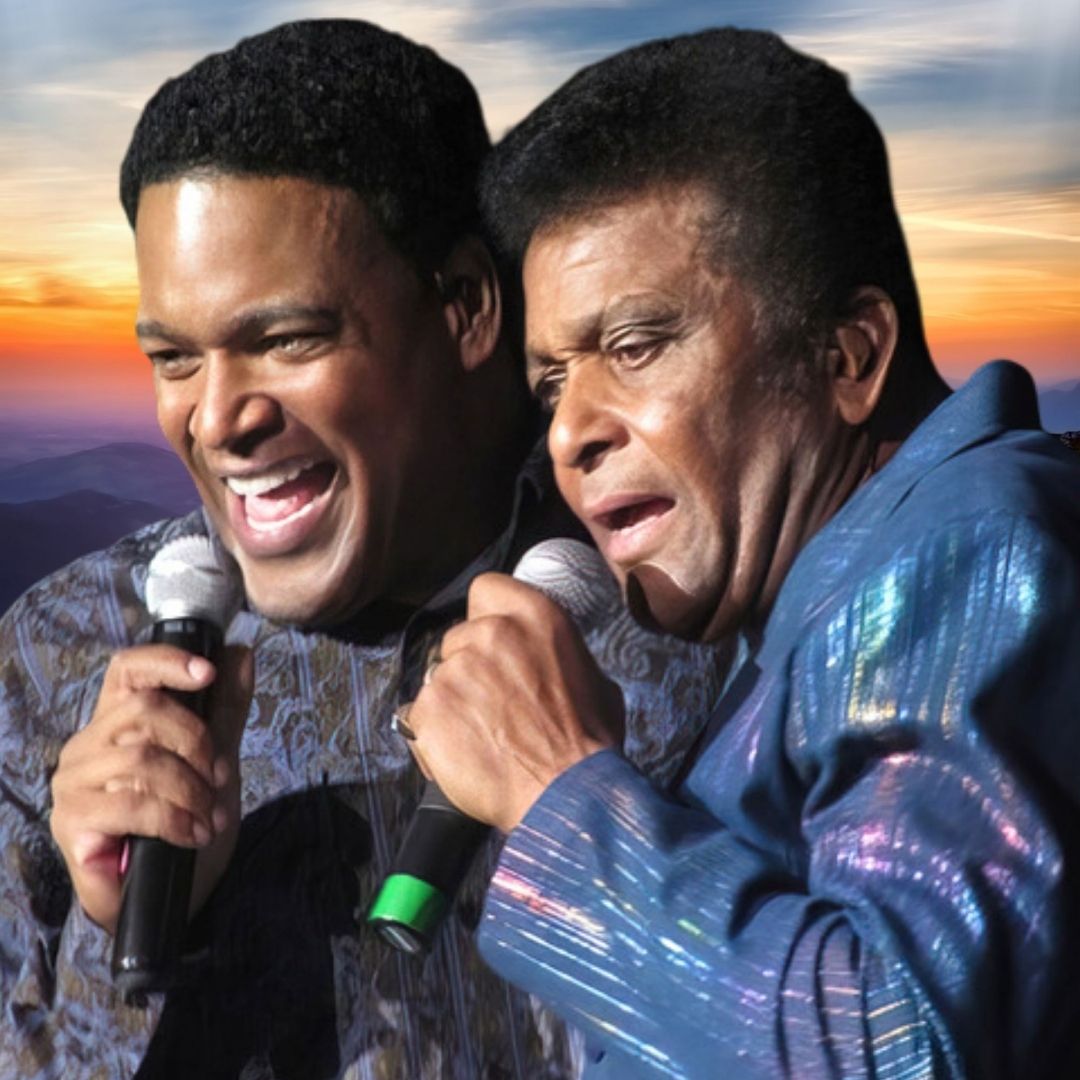
Growing up, Sunday mornings in my household were filled with the warm, rich tones of country music wafting from the kitchen radio. Among the melodies that became the soundtrack of my youth, Charley Pride’s “I’m Just Me” held a special place. The song’s honest lyrics and heartfelt delivery resonated deeply, serving as a reminder of the importance of authenticity in a rapidly changing world.

About The Composition

  • Title: I’m Just Me
  • Composer: Glenn Martin
  • Premiere Date: June 1971
  • Album: I’m Just Me
  • Genre: Country

Background

“I’m Just Me” is a classic country song penned by songwriter Glenn Martin and brought to life by the legendary Charley Pride. Released in June 1971 as the lead single and title track of Pride’s album, the song quickly climbed the charts, securing the number one spot on the U.S. country singles chart. This achievement marked Pride’s seventh chart-topping single, solidifying his status as a prominent figure in country music during a time when the genre was expanding its horizons.

The early 1970s were a pivotal period for country music, with artists exploring more personal and introspective themes. “I’m Just Me” embodies this shift, with lyrics that emphasize individuality and self-acceptance. The song was well-received by audiences and critics alike, praised for its relatable message and Pride’s soulful performance. It became a staple in his repertoire, showcasing his ability to connect with listeners on a profound level.

Musical Style

The musicality of “I’m Just Me” is quintessentially country, featuring a blend of traditional instrumentation such as steel guitar, fiddle, and acoustic rhythms. The arrangement is straightforward yet effective, providing a solid foundation for Pride’s expressive baritone voice. The song’s structure follows a conventional verse-chorus format, allowing the poignant lyrics to take center stage. Pride’s vocal delivery is both powerful and nuanced, conveying a sense of sincerity that enhances the song’s impact.

Lyrics

At its core, “I’m Just Me” is an anthem of self-identity and authenticity. The lyrics speak to the universal struggle of trying to find one’s place in the world while staying true to oneself. Lines like “Some people say I’m no good and crazy as a loon” highlight the judgments one might face, but the chorus reaffirms a steadfast commitment to personal truth. The music complements the lyrics by maintaining a steady, unadorned melody that underscores the song’s honest and unpretentious message.

Performance History

Since its release, “I’m Just Me” has been a highlight in Charley Pride’s performances. The song’s popularity contributed to his rise as one of the first African American superstars in country music, breaking racial barriers in the industry. Over the years, it has been included in numerous compilations of Pride’s greatest hits and continues to receive airplay on classic country radio stations. The song’s enduring appeal is a testament to its powerful message and Pride’s timeless artistry.

Cultural Impact

“I’m Just Me” holds a significant place not only in country music but also in the broader cultural landscape. Charley Pride’s success with this song and others challenged the norms of the country music scene, paving the way for more diverse voices within the genre. The song’s theme of embracing one’s identity has resonated with generations of listeners, influencing artists across various musical styles. Its message has found relevance in social movements that advocate for individuality and acceptance.

Legacy

The legacy of “I’m Just Me” endures as it continues to inspire both audiences and musicians. Its relevance remains potent in today’s society, where conversations about identity and authenticity are more prominent than ever. The song stands as a reminder of the importance of self-expression and the impact that one artist’s honesty can have on the world.

Conclusion

Revisiting “I’m Just Me” is like reconnecting with an old friend—comforting, familiar, and enriching. Charley Pride’s heartfelt performance invites listeners to reflect on their own journeys toward self-acceptance. I encourage you to explore this classic track, perhaps starting with Pride’s original recording, to experience the sincerity and warmth that have made it a timeless piece. Whether you’re a long-time country music fan or new to the genre, “I’m Just Me” offers a universal message wrapped in a beautiful melody that’s well worth your time

Video

Lyrics

Down at the railroad station there’s people gettin’ on
Some are a goin’ north some are a goin’ south I’m just goin’ to be gone
Some people are born to be takers others just wanna give
Some people live just to love but I just love to live
For I was just born to be exactly what you see
Nothing more or less I’m not the worst or the best
I just try to be exactly what you see today and every day I’m just me

When people say their life is rough I wonder compared to what
Some are wantin’ more and more’s gettin’ less I just want what I’ve got
Some wanna live on a hill others down by the sea
Some wanna live inside high walls I just wanna live free
For I was just born…
Oh I was just born to be exactly what you see today and every day I’m just me

Related Post

THEY GOT MARRIED ON A CONCERT STAGE IN WICHITA. LESS THAN THREE YEARS LATER, JEAN SHEPARD WAS LEFT WITH TWO SONS AND A HUSBAND COUNTRY MUSIC COULD ONLY HEAR ON RECORDS. They met inside the world that had already claimed both of them — radio shows, road dates, the Grand Ole Opry, dressing rooms, and the kind of touring life where a singer’s home could feel like whatever town had the next stage. Jean was not fragile. She had already fought her way into hard country when women were still expected to sound sweeter than the men around them. “A Dear John Letter” had taken her to No. 1. The Opry had taken her in. She had survived one bad early marriage and kept her career anyway. Hawkshaw was different. Six-foot-five. Smooth. Charismatic. A West Virginia singer people called “Eleven Yards of Personality.” He had the height, the grin, and the kind of stage presence that made a crowd feel like he had walked in from a bigger life. On November 26, 1960, they married onstage during a concert in Wichita, Kansas. It was not just a courthouse promise. Ken Nelson gave Jean away. A local disc jockey broadcast the ceremony over the radio. The crowd was there. The music world was there. Their private vow entered country history through a microphone. For a while, it looked like the show and the marriage could live together. They toured. They built a home in Goodlettsville. They had a son, Don Robin, named after friends Don Gibson and Marty Robbins. Jean became pregnant again. Then the calendar turned cruel. The marriage that had started in front of an audience ended with Jean carrying the part no audience could sing for her — a toddler, an unborn child, and a husband whose voice kept climbing the chart after he was gone.

JEAN SHEPARD CUT “LONESOME 7-7203” BEFORE HER HUSBAND DID. CAPITOL LEFT IT SITTING. THEN HAWKSHAW HAWKINS RECORDED IT — AND DIED THREE DAYS AFTER ITS RELEASE. The song did not start as Hawkshaw Hawkins’ last hit. It passed through Jean Shepard first. By the early 1960s, Jean was already one of country music’s toughest women. She had come up through honky-tonk, made “A Dear John Letter” a No. 1 duet, joined the Grand Ole Opry, and proved she was not just a pretty harmony voice in a man’s business. Hawkshaw Hawkins was already part of that same Opry world. Tall, smooth, steady, with a career that had stretched from West Virginia radio to national country stages. He and Jean married in 1960. Two singers. Two roads. One house outside Nashville. Then came a Justin Tubb song called “Lonesome 7-7203.” Jean recorded it for Capitol, but the label left it unreleased. The song sat there. A lonely telephone number. A heartbreak line waiting for somebody to dial it. Hawkshaw finally told her that if Capitol was not going to release it, he would record it himself. King Records released his version on March 2, 1963. Three days later, Hawkshaw Hawkins was dead. The plane crash near Camden took him, Patsy Cline, Cowboy Copas, and pilot Randy Hughes. Jean was left with the grief, the children, and the strange sound of her husband’s voice still rising on the radio. Then the song climbed. “Lonesome 7-7203” reached No. 1 after Hawkshaw was gone. Jean had recorded it first. Hawkshaw made it immortal. Country music kept dialing the number after the man who sang it could no longer answer.

SHE SAID A MAN WITH A GUN WAS WAITING IN THE BACK SEAT. DAYS LATER, TAMMY WYNETTE STILL WALKED ONSTAGE IN SOUTH CAROLINA. Tammy Wynette already knew what it meant to sing pain for a living. By 1978, she was not just a country star. She was the woman behind “Stand by Your Man,” “D-I-V-O-R-C-E,” “I Don’t Wanna Play House,” and the kind of songs that made broken homes sound like they had wallpaper, bills, children, and nowhere clean to hide. Her life had become part of the story too. Marriages. George Jones. Public fights. Illness. A voice that could make surrender sound noble even when the woman singing it was barely holding the pieces together. Then came October 4, 1978. Tammy had gone shopping at Green Hills in Nashville for a birthday gift for her daughter. When she returned to her car, she later said a masked man was hiding in the back seat with a gun. He forced her to drive, beat her, and released her about 80 miles away in Giles County. The story sounded like something too strange even for country music. Questions followed. Rumors followed. No one was ever convicted. The mystery stayed attached to her name for the rest of her life. But Tammy still had a calendar. A few days later, bruised and shaken, she appeared for a concert in Columbia, South Carolina. The fans saw the First Lady of Country Music under the lights. What they could not fully see was the woman who had just been left on a Tennessee roadside, trying to explain a nightmare nobody could neatly close. Loretta Lynn turned poverty into defiance. Patsy Cline turned survival into steel. Tammy Wynette turned private wreckage into a voice so controlled it almost hid the damage.

You Missed

THEY GOT MARRIED ON A CONCERT STAGE IN WICHITA. LESS THAN THREE YEARS LATER, JEAN SHEPARD WAS LEFT WITH TWO SONS AND A HUSBAND COUNTRY MUSIC COULD ONLY HEAR ON RECORDS. They met inside the world that had already claimed both of them — radio shows, road dates, the Grand Ole Opry, dressing rooms, and the kind of touring life where a singer’s home could feel like whatever town had the next stage. Jean was not fragile. She had already fought her way into hard country when women were still expected to sound sweeter than the men around them. “A Dear John Letter” had taken her to No. 1. The Opry had taken her in. She had survived one bad early marriage and kept her career anyway. Hawkshaw was different. Six-foot-five. Smooth. Charismatic. A West Virginia singer people called “Eleven Yards of Personality.” He had the height, the grin, and the kind of stage presence that made a crowd feel like he had walked in from a bigger life. On November 26, 1960, they married onstage during a concert in Wichita, Kansas. It was not just a courthouse promise. Ken Nelson gave Jean away. A local disc jockey broadcast the ceremony over the radio. The crowd was there. The music world was there. Their private vow entered country history through a microphone. For a while, it looked like the show and the marriage could live together. They toured. They built a home in Goodlettsville. They had a son, Don Robin, named after friends Don Gibson and Marty Robbins. Jean became pregnant again. Then the calendar turned cruel. The marriage that had started in front of an audience ended with Jean carrying the part no audience could sing for her — a toddler, an unborn child, and a husband whose voice kept climbing the chart after he was gone.

JEAN SHEPARD CUT “LONESOME 7-7203” BEFORE HER HUSBAND DID. CAPITOL LEFT IT SITTING. THEN HAWKSHAW HAWKINS RECORDED IT — AND DIED THREE DAYS AFTER ITS RELEASE. The song did not start as Hawkshaw Hawkins’ last hit. It passed through Jean Shepard first. By the early 1960s, Jean was already one of country music’s toughest women. She had come up through honky-tonk, made “A Dear John Letter” a No. 1 duet, joined the Grand Ole Opry, and proved she was not just a pretty harmony voice in a man’s business. Hawkshaw Hawkins was already part of that same Opry world. Tall, smooth, steady, with a career that had stretched from West Virginia radio to national country stages. He and Jean married in 1960. Two singers. Two roads. One house outside Nashville. Then came a Justin Tubb song called “Lonesome 7-7203.” Jean recorded it for Capitol, but the label left it unreleased. The song sat there. A lonely telephone number. A heartbreak line waiting for somebody to dial it. Hawkshaw finally told her that if Capitol was not going to release it, he would record it himself. King Records released his version on March 2, 1963. Three days later, Hawkshaw Hawkins was dead. The plane crash near Camden took him, Patsy Cline, Cowboy Copas, and pilot Randy Hughes. Jean was left with the grief, the children, and the strange sound of her husband’s voice still rising on the radio. Then the song climbed. “Lonesome 7-7203” reached No. 1 after Hawkshaw was gone. Jean had recorded it first. Hawkshaw made it immortal. Country music kept dialing the number after the man who sang it could no longer answer.

SHE SAID A MAN WITH A GUN WAS WAITING IN THE BACK SEAT. DAYS LATER, TAMMY WYNETTE STILL WALKED ONSTAGE IN SOUTH CAROLINA. Tammy Wynette already knew what it meant to sing pain for a living. By 1978, she was not just a country star. She was the woman behind “Stand by Your Man,” “D-I-V-O-R-C-E,” “I Don’t Wanna Play House,” and the kind of songs that made broken homes sound like they had wallpaper, bills, children, and nowhere clean to hide. Her life had become part of the story too. Marriages. George Jones. Public fights. Illness. A voice that could make surrender sound noble even when the woman singing it was barely holding the pieces together. Then came October 4, 1978. Tammy had gone shopping at Green Hills in Nashville for a birthday gift for her daughter. When she returned to her car, she later said a masked man was hiding in the back seat with a gun. He forced her to drive, beat her, and released her about 80 miles away in Giles County. The story sounded like something too strange even for country music. Questions followed. Rumors followed. No one was ever convicted. The mystery stayed attached to her name for the rest of her life. But Tammy still had a calendar. A few days later, bruised and shaken, she appeared for a concert in Columbia, South Carolina. The fans saw the First Lady of Country Music under the lights. What they could not fully see was the woman who had just been left on a Tennessee roadside, trying to explain a nightmare nobody could neatly close. Loretta Lynn turned poverty into defiance. Patsy Cline turned survival into steel. Tammy Wynette turned private wreckage into a voice so controlled it almost hid the damage.

“ I FORGOT MORE THAN YOU’LL EVER KNOW” WAS STILL RISING WHEN THE CAR CRASH KILLED BETTY JACK DAVIS AND LEFT SKEETER ALIVE TO SING UNDER THE SAME NAME. The Davis Sisters were not really sisters. Skeeter Davis was born Mary Frances Penick. Betty Jack Davis was her friend, her singing partner, and the other half of a harmony country music had not heard enough of yet. They were young, close, and just strange enough together to make the name feel true. In 1953, RCA released “I Forgot More Than You’ll Ever Know.” The record started moving fast. It went to No. 1 on the country chart and crossed into the pop world too. For two young women in country music, that was not just a hit. It was a door most people did not expect them to open. Then came the road home. After a show in Wheeling, West Virginia, the two left after midnight, heading back toward Kentucky. Near Cincinnati on August 2, 1953, another driver fell asleep at the wheel and crashed head-on into the car carrying them. Betty Jack was killed. Skeeter survived with serious injuries. The song kept climbing while one half of the duo was gone. Later, Skeeter returned under the Davis Sisters name with Betty Jack’s sister, Georgia. They recorded and toured, but everyone knew something had changed. A harmony can be copied on paper. It cannot always be brought back to life. Years later, Skeeter stood alone and sang “The End of the World.” Most listeners heard heartbreak. Skeeter had already learned what it sounded like when the world ended and the record kept playing.