“BORROWED ANGEL” DID NOT COME OUT OF NASHVILLE’S MACHINE — IT CRAWLED OUT OF WEST VIRGINIA WITH GREASE STILL ON ITS HANDS.
Some hits arrive with a label plan.
This one had to find its own road.
Before country fans knew Mel Street’s name, he was not sitting in Nashville waiting for someone to build a career around him. He was in West Virginia, fixing cars.
In 1963, he moved back and opened an auto body shop.
Days meant metal, paint, grease, and customers.
Nights meant music.
The voice was already there.
The world just had not caught up to it.
He Had Been Singing Long Before The Hit
That is what makes the breakthrough heavier.
Mel had sung on radio as a teenager. He had worked as a radio tower electrician. He had played clubs around Niagara Falls. He had lived near music for years without music fully paying him back.
That kind of waiting does something to a singer.
It either wears the dream down, or it makes the voice sound more lived-in when the chance finally comes.
For Mel, the voice kept growing in the dark.
Bluefield Put A Face With The Sound
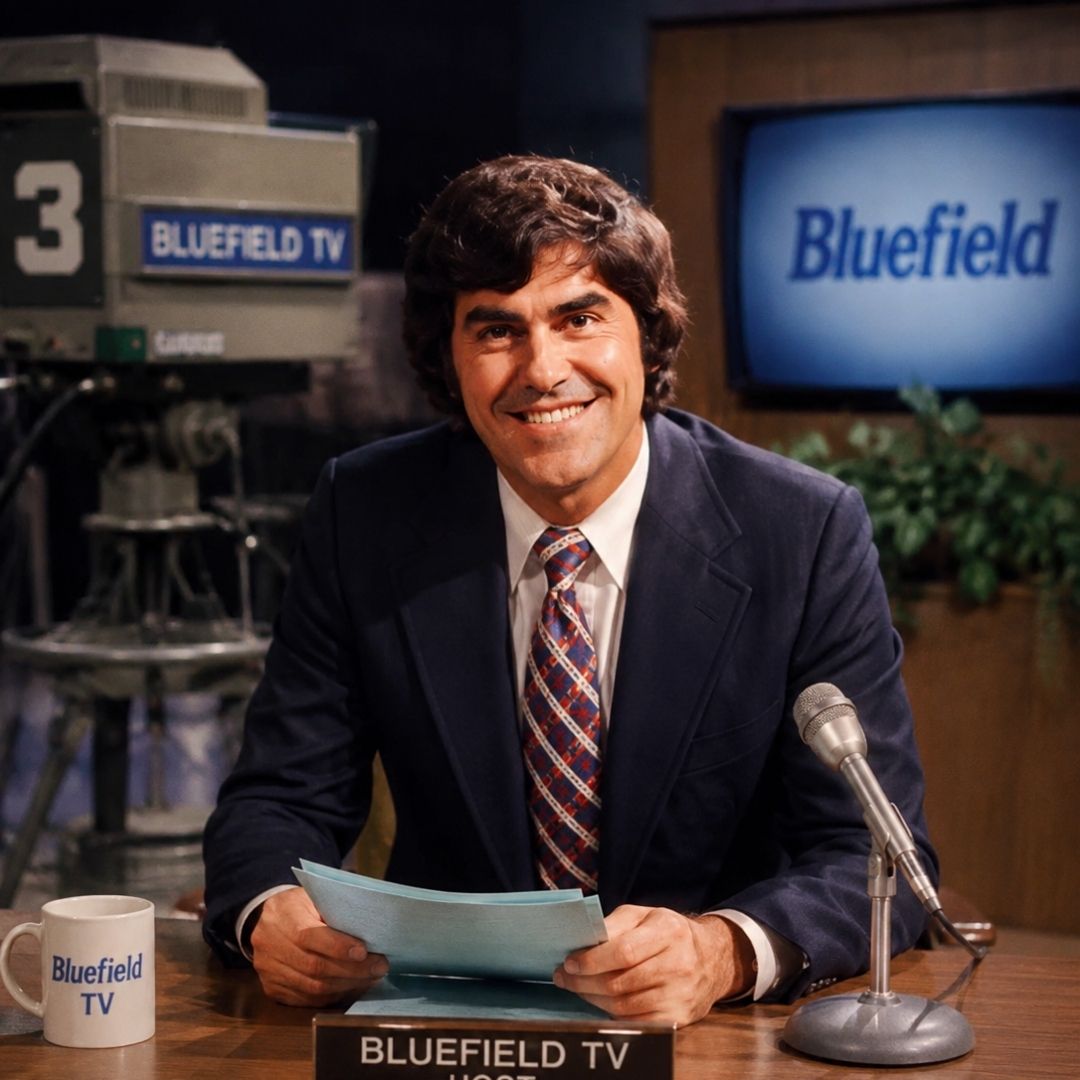
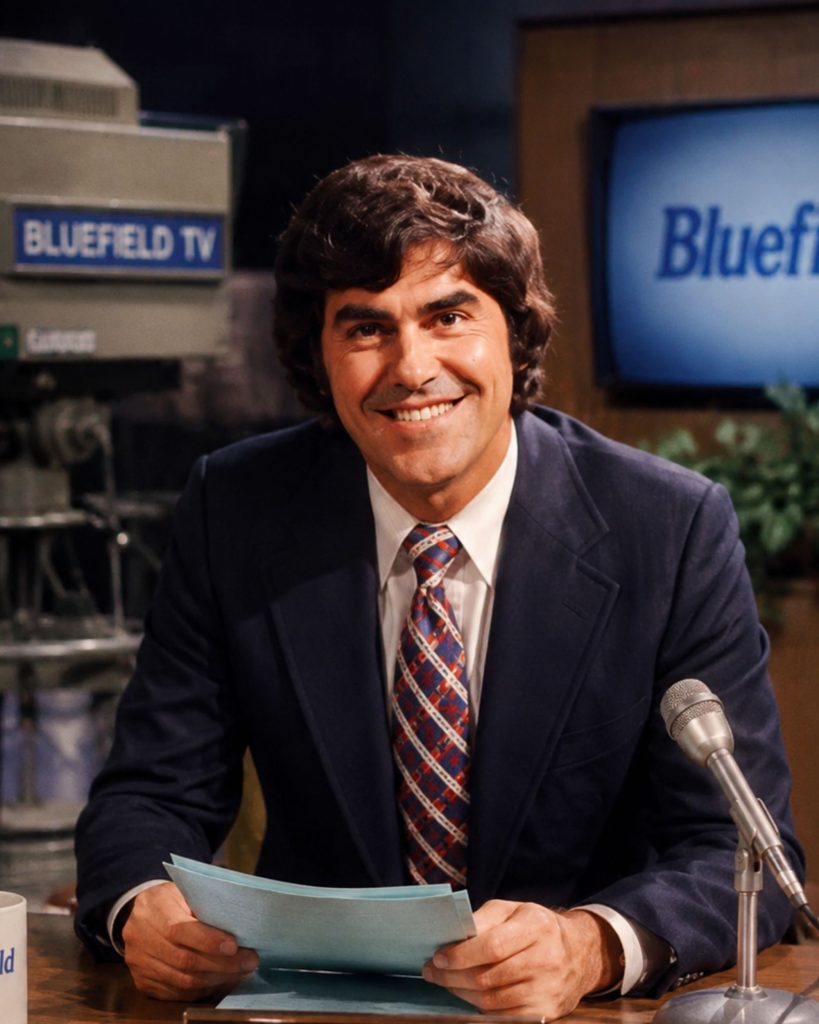
From 1968 to 1972, Mel hosted a local television show in Bluefield, West Virginia.
That mattered.
Television gave people a face to remember. Club nights gave them the voice. Week by week, he stopped being just another man singing after work and started becoming a local name people trusted.
Not famous yet.
But no longer invisible.
Sometimes a career begins that way — not with a national spotlight, but with a region slowly deciding one of its own deserves to be heard.
The Small Label Took The First Chance
That local momentum led him to Tandem Records.
Mel went to Nashville for a session and cut “House of Pride.”
On the flip side, he placed one of his own songs.
“Borrowed Angel.”
That detail says plenty.
The song was not pushed first like a guaranteed breakthrough. It sat on the other side of the record, waiting to prove itself the hard way.
No giant machine.
No smooth rollout.
Just a wounded song trying to move.
The Record Traveled Slowly
Regional records rarely explode.
They crawl.
One station.
One listener.
One request.
One person telling another person they heard something that sounded too real to ignore.
“Borrowed Angel” kept moving like that. It found ears before it found power. Then Royal American Records picked it up in 1972, and the song finally broke wide enough to reach the Billboard country Top 10.
By then, it had already survived the test most Nashville songs never face.
The Hit Made The Work Visible
From the outside, the story can look simple.
A new singer.
A breakout record.
A career beginning.
But “Borrowed Angel” carried more than a melody. It carried body-shop years, local television, late club nights, small-label risk, and a man who had been singing long before anyone important was ready to call him important.
The hit did not create Mel Street.
It revealed him.
What “Borrowed Angel” Really Leaves Behind
The deepest part of this story is not that Mel Street finally reached the country Top 10.
It is that the song had to travel almost like he did.
A West Virginia body shop.
A Bluefield television stage.
A small Tandem record.
A flip side that would not stay quiet.
And somewhere inside “Borrowed Angel” was the truth behind Mel Street’s rise:
Nashville did not discover him clean.
It heard him only after the road, the grease, and the region had already done the believing first.