The Withdrawal Did Not Start in 2006
Ricky Van Shelton did not disappear all at once. His withdrawal had started years earlier, while everything on the outside still looked calm enough for people to think he was holding his place. By the early 1990s, the hit streak was already slowing. In 1992, he publicly acknowledged alcoholism and got help. That was not just a personal struggle. It was the first clear sign that the harder part of his story had already begun from within.
What Left First Was Not the Voice
By 1994, Ricky had his last Top 40 country single and left Columbia after Love and Honor. What slipped away first was not his talent. It was his place at the center of the machine. The voice was still there. The storytelling was still there. But the system that had once carried him so easily was no longer moving with him.
He Did Not Quit the Moment He Was Left Behind
This is the part that makes the story heavier. Ricky did not vanish the second the spotlight weakened. In 1997, he launched RVS Records and financed Making Plans himself. In 2000, he released Fried Green Tomatoes on Audium. He kept recording. Kept working. Kept trying to find another road forward. The effort did not stop.
The industry simply stopped meeting him where he was.
The Stage Slowly Became a Place He Was Leaving
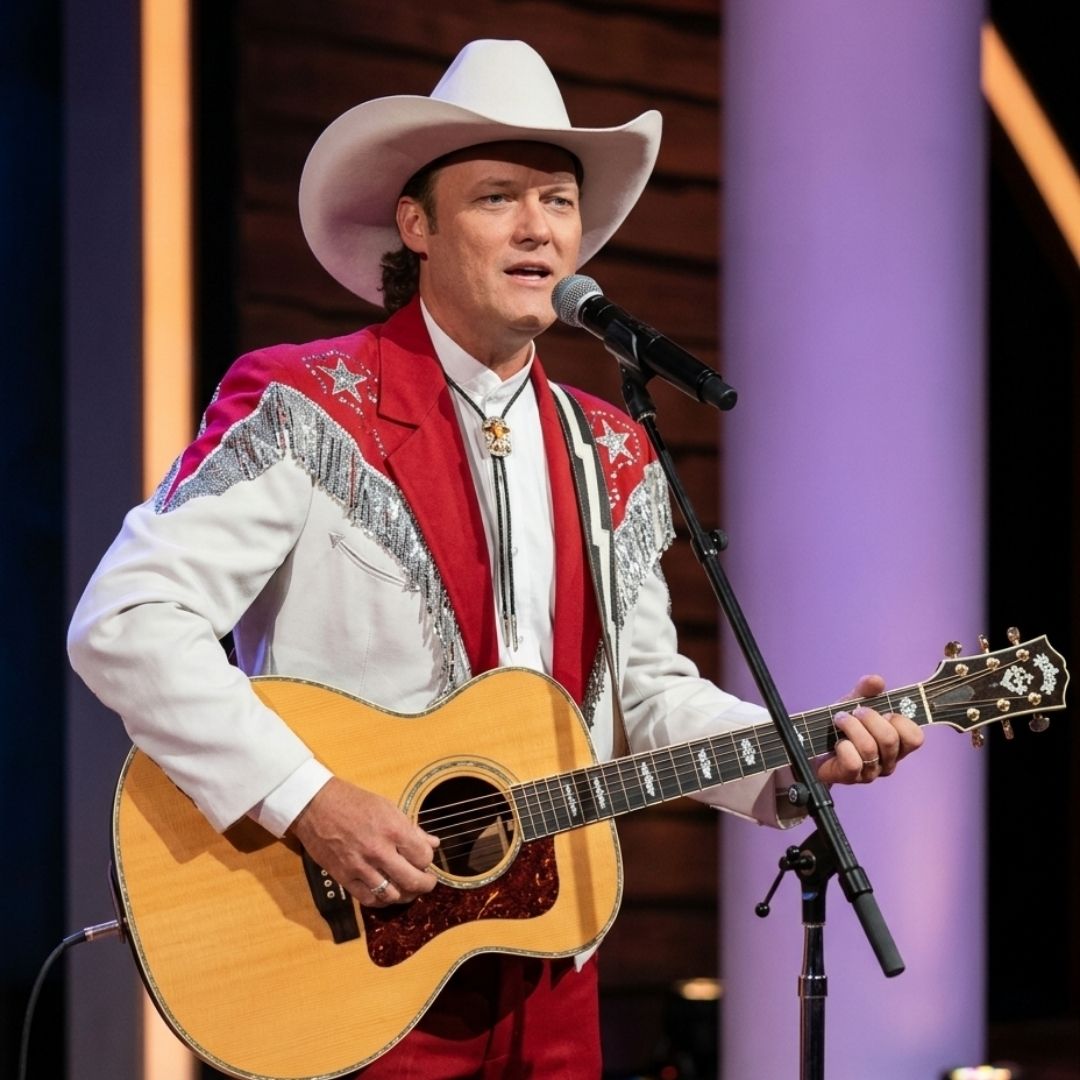
His last Grand Ole Opry appearance came on July 2, 2004. That date matters because it gives the retreat a shape. It stops being a vague feeling and becomes a real turning point. There was still a stage. Still a song. Still a man standing there. But by then, the distance had already started to win.
His Ending Looked Exactly Like His Retreat
In 2006, Ricky Van Shelton retired from touring after roughly two decades on the road. No public collapse. No drawn-out farewell. No final fight to stay in the center. One of country music’s strongest voices simply kept stepping farther away, until the silence around him stopped feeling temporary and became the life he chose.
Video