“Scroll down to the end of the article to listen to music.”

Introduction

I remember the first time my father let me steer the car. It was a dusty backroad somewhere in Texas, and he grinned like it was the highlight of his week. I felt 10 feet tall, hands trembling on the wheel. Years later, when I first heard “The Best Day” by George Strait, it hit me like a wave. That song was that moment — and so many others like it. It doesn’t just sing about time passing; it reminds you that the little things are the big things.

About the Composition

  • Title: The Best Day
  • Composer: Dean Dillon and Carson Chamberlain
  • Premiere Date: January 3, 2000
  • Album: Latest Greatest Straitest Hits
  • Genre: Country (Modern Traditional)

Background

“The Best Day” was written by country songwriting legends Dean Dillon and Carson Chamberlain, both longtime collaborators with George Strait. Released in early 2000, it was the lead single from Strait’s compilation album Latest Greatest Straitest Hits. The song became Strait’s 36th Number One hit on the Billboard Hot Country Singles & Tracks chart and remained there for three weeks.

It arrived at the turn of a new century — a time when country music was shifting, experimenting with pop crossovers. But Strait, ever loyal to his roots, delivered a song that felt timeless. “The Best Day” wasn’t just a nostalgic ballad. It was a gentle reminder to slow down and cherish what truly matters.

Musical Style

The musical style is classic George Strait — simple, elegant, and emotionally resonant. The arrangement is stripped down: acoustic guitar, subtle steel guitar, and light percussion, all serving to let the vocals lead. There’s no production flash here, just honest melody and storytelling. The pacing is warm and unhurried, like a father reminiscing on a porch swing.

Lyrics / Libretto

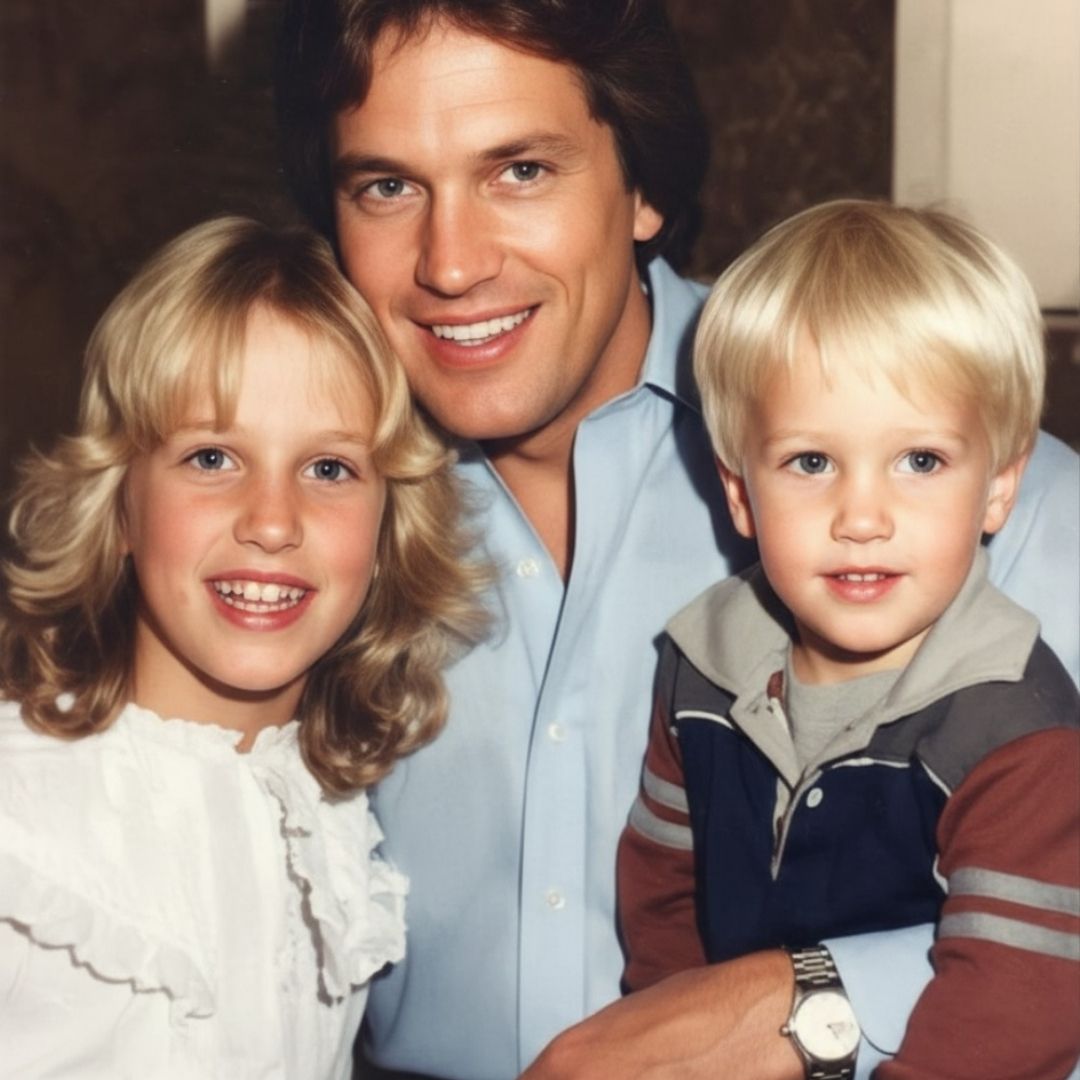
The song follows a father and son through three stages: a camping trip, a first car, and a wedding. Each moment ends with the same refrain: “This could be the best day of my life.”

It’s a lyrical masterclass in emotional layering. What starts as a boy’s excitement grows into a man’s gratitude. The song quietly shifts perspective — from youthful glee to adult reflection. And by the end, you realize: these “best days” were never about events. They were about connection.

Performance History

While George Strait rarely leans into dramatic performance, his live renditions of “The Best Day” are always intimate and heartfelt. Fans often recall it as a highlight during his tours in the early 2000s, and it’s remained a favorite at father-son events, graduations, and weddings.

Cultural Impact

“The Best Day” continues to be one of the most emotionally resonant tracks in George Strait’s catalog. It’s been used in commercials, tribute videos, and even retirement ceremonies. In an era where attention spans are short, this song offers a quiet rebellion — it says: “Pause. Feel this.”

Its universal themes — love, time, family — ensure it transcends genre and generation. Whether you’re a teenager on the brink of something new or a parent watching your kids grow up too fast, this song speaks.

Legacy

Now, more than 20 years after its release, “The Best Day” still finds its way into playlists and radio sets. It may not be the flashiest song in Strait’s career, but it might be one of the most enduring. It reminds us that greatness doesn’t always shout — sometimes, it whispers through quiet car rides and heartfelt conversations.

Conclusion

“The Best Day” is not just a song — it’s a memory wrapped in music. It’s the soundtrack to every ordinary moment that turned out to mean everything. If you haven’t heard it in a while, revisit it. And if you’ve never heard it at all, let it remind you of what really lasts in life.

Video

Lyrics

We loaded up my old station wagon
With a tent, Coleman, sleeping bags
Some fishin’ poles, a cooler of cokes,
Three days before we had to back
When your seven and your in your seventh heaven
Going campin’ in the wild outdoors
As we turned off on that old dirt road he look at me and swore
Dad, this could be the best day of my life
Been dreamin’ day and night about the fun we’ll have
Just me and you doing what I’ve always wanted to
I’m the luckiest boy alive
This is the best day of my life
His fifteenth birthday rolled around
Classic cars were his thing
When I pulled in the drive with that old ‘vette
I thought that boy would go insane
When you’re in your teens your dreams revolve around four spinning wheels
We worked nights on end till it was new again
And as he sat behind the wheel
He said Dad this could be the best day of my life
Been dreamin’ day and night about the fun we’ve had
Just me and you doin’ what I’ve always wanted too
I’m the luckiest boy around
This is the best day of my life
Standin’ in the middle of the room
Back of the church with our tuxes on
Lookin’ at him I said
I can’t believe son that you’ve grown
He said dad this could be the best day of my life
Been dreamin’ day and night
About being like you
Just me and her
Watching you and mom I’ve learned
I’m the luckiest man alive
This is the best day of my life
I’m the luckiest man alive
This is the best day of my life

Related Post

THE SONG STARTED ON A SMALL REGIONAL LABEL. THREE YEARS LATER, “BORROWED ANGEL” HAD CARRIED A WEST VIRGINIA BODY-SHOP OWNER INTO THE COUNTRY TOP 10. Before Nashville knew his name, Mel Street was fixing cars. In 1963, he moved back to West Virginia and opened an auto body shop. Days were metal, paint, grease, and customers. Nights were music. He had sung on radio as a teenager, worked as a radio tower electrician, and played clubs around Niagara Falls, but none of that had made him a country star. Then Bluefield changed the pace. From 1968 to 1972, Mel hosted a local television show in Bluefield, West Virginia. The camera gave people a reason to remember the face. The clubs gave them a reason to remember the voice. Little by little, the body-shop singer became more than a local act. That exposure led to a small label called Tandem Records. Mel went to Nashville for a session and cut “House of Pride.” On the flip side, he placed one of his own songs: “Borrowed Angel.” It did not explode at first. Regional records rarely do. But “Borrowed Angel” kept moving. It found listeners. It found stations. By 1972, Royal American Records picked it up, and the song finally broke wide enough to reach the Billboard country Top 10. The strange part is how clean the story looks from the outside. A hit song. A new voice. A career beginning. But behind it was almost a decade of body-shop work, local television, club nights, and a record that had to crawl out of West Virginia before Nashville treated it like it belonged there.

THEY OFFERED HIM $100 TO GO AWAY. BILLY JOE SHAVER SAID NO — THEN THREATENED TO FIGHT WAYLON JENNINGS UNTIL HE LISTENED TO HIS SONGS. The whole thing started in Texas. In 1972, at the Dripping Springs Reunion, Billy Joe Shaver was sitting in a songwriter circle, playing the rough little songs he had carried around like unpaid debts. Waylon Jennings was nearby, resting in a trailer, half-listening. Then he heard one. “Willy the Wandering Gypsy and Me.” Waylon asked if Billy Joe had any more of those old cowboy songs. Billy Joe said he did. Waylon told him he might record a whole album of them. Most people would have gone home smiling. Billy Joe went to Nashville. Then he waited. For months, Waylon dodged him. Billy Joe kept trying to find him. Finally, with help from a local DJ, he tracked Waylon down at an RCA session with Chet Atkins. That is where the story stopped being polite. Waylon offered him $100 to leave. Billy Joe refused. He told Waylon he would fight him right there if he did not listen to the songs he had promised to hear. Waylon finally made a deal: sing one. If he liked it, Billy Joe could sing another. If not, he had to go. Billy Joe sang. Then he sang another. Then another. In 1973, Waylon released Honky Tonk Heroes, built almost entirely from Billy Joe Shaver songs. Outlaw country did not walk into Nashville quietly. One part of it came through an RCA hallway, carried by a songwriter too broke and too stubborn to take the hundred dollars.

You Missed

THE SONG STARTED ON A SMALL REGIONAL LABEL. THREE YEARS LATER, “BORROWED ANGEL” HAD CARRIED A WEST VIRGINIA BODY-SHOP OWNER INTO THE COUNTRY TOP 10. Before Nashville knew his name, Mel Street was fixing cars. In 1963, he moved back to West Virginia and opened an auto body shop. Days were metal, paint, grease, and customers. Nights were music. He had sung on radio as a teenager, worked as a radio tower electrician, and played clubs around Niagara Falls, but none of that had made him a country star. Then Bluefield changed the pace. From 1968 to 1972, Mel hosted a local television show in Bluefield, West Virginia. The camera gave people a reason to remember the face. The clubs gave them a reason to remember the voice. Little by little, the body-shop singer became more than a local act. That exposure led to a small label called Tandem Records. Mel went to Nashville for a session and cut “House of Pride.” On the flip side, he placed one of his own songs: “Borrowed Angel.” It did not explode at first. Regional records rarely do. But “Borrowed Angel” kept moving. It found listeners. It found stations. By 1972, Royal American Records picked it up, and the song finally broke wide enough to reach the Billboard country Top 10. The strange part is how clean the story looks from the outside. A hit song. A new voice. A career beginning. But behind it was almost a decade of body-shop work, local television, club nights, and a record that had to crawl out of West Virginia before Nashville treated it like it belonged there.

THEY OFFERED HIM $100 TO GO AWAY. BILLY JOE SHAVER SAID NO — THEN THREATENED TO FIGHT WAYLON JENNINGS UNTIL HE LISTENED TO HIS SONGS. The whole thing started in Texas. In 1972, at the Dripping Springs Reunion, Billy Joe Shaver was sitting in a songwriter circle, playing the rough little songs he had carried around like unpaid debts. Waylon Jennings was nearby, resting in a trailer, half-listening. Then he heard one. “Willy the Wandering Gypsy and Me.” Waylon asked if Billy Joe had any more of those old cowboy songs. Billy Joe said he did. Waylon told him he might record a whole album of them. Most people would have gone home smiling. Billy Joe went to Nashville. Then he waited. For months, Waylon dodged him. Billy Joe kept trying to find him. Finally, with help from a local DJ, he tracked Waylon down at an RCA session with Chet Atkins. That is where the story stopped being polite. Waylon offered him $100 to leave. Billy Joe refused. He told Waylon he would fight him right there if he did not listen to the songs he had promised to hear. Waylon finally made a deal: sing one. If he liked it, Billy Joe could sing another. If not, he had to go. Billy Joe sang. Then he sang another. Then another. In 1973, Waylon released Honky Tonk Heroes, built almost entirely from Billy Joe Shaver songs. Outlaw country did not walk into Nashville quietly. One part of it came through an RCA hallway, carried by a songwriter too broke and too stubborn to take the hundred dollars.