“Scroll down to the end of the article to listen to music.”

Where Shadows Linger: The Unforgettable Echo of “The Hanging Tree”

A ballad of lost love and hard-won redemption, sung against the stark backdrop of the American West.

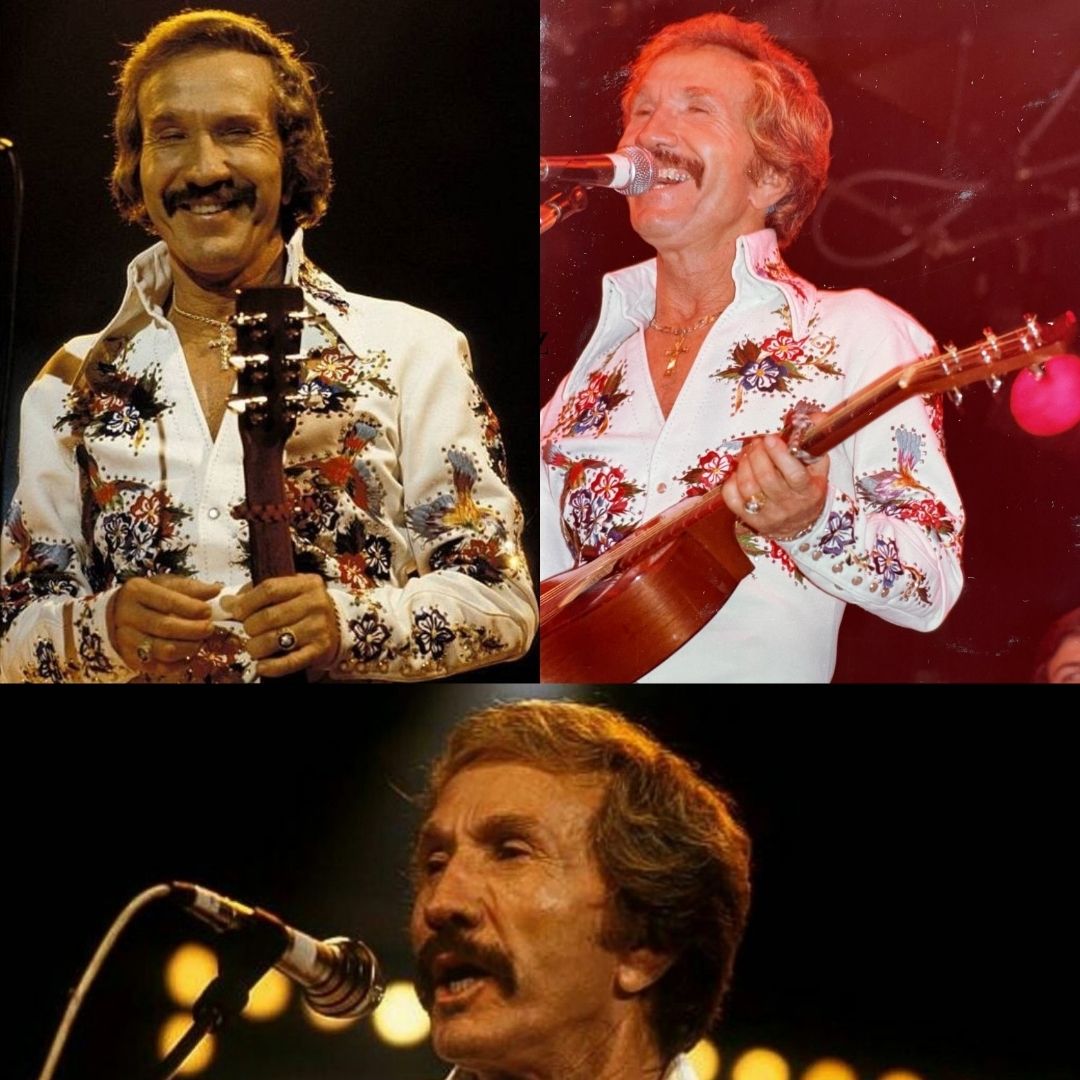
Ah, to cast our minds back to 1959. The airwaves were alive with the sounds of a changing musical landscape, yet for those of us who cherished the timeless tales of the frontier, a voice emerged that spoke directly to the soul. It was the incomparable Marty Robbins, a man whose melodic storytelling could transport you instantly to dusty trails and lonely sunsets. And in that pivotal year, he released a song that wasn’t just a tune, but a vivid, aching painting of struggle and hope: “The Hanging Tree.”

This haunting ballad wasn’t merely a standalone single; it was the title song from the major Hollywood Western film of the same name, starring the iconic Gary Cooper and Maria Schell. Released by Columbia Records, Marty Robbins‘ rendition of “The Hanging Tree” resonated deeply with audiences, climbing the charts to a respectable position. It peaked at Number 15 on the Billboard Hot C&W Sides chart and also made an impact on the pop charts, reaching Number 38 on Billboard, Number 31 on Music Vendor, and Number 42 on Cash Box. While not perhaps his highest-charting hit, its cultural footprint, entwined with the film, made it utterly unforgettable. It even earned nominations for the Academy Award and the Golden Laurel Award for Best Song in 1960, a testament to its poignant lyrics and powerful melody, penned by Mack David and Jerry Livingston, with the film’s score by Max Steiner
The story woven within The Hanging Tree” is a narrative of profound emotional weight, mirroring the complex themes of the film it accompanied. It speaks of a man, lost and haunted by a past heartbreak, who arrives in a rough-and-tumble gold rush town. He carries with him not just the hope of striking gold, but a crushing memory – a love that “could never be.” The “hanging tree” in the song, initially, is a grim metaphor for where he has left his dreams, his very heart, due to this past wound. It symbolizes despair, a place where aspirations go to die, much like the outlaws met their end in those unforgiving times. “Go hang your dreams on the hangin’ tree / Your dreams of love that could never be,” the wind seems to whisper in his ears, a cruel echo of his own resignation.
But as the song unfolds, so too does a tale of unexpected connection and eventual rebirth. Despite his efforts to remain isolated, guarding his gold and his shattered heart, life, as it often does, intervenes. He finds another who loves him, a testament to the persistent human need for companionship and healing. The lyrics describe a man who faces threats to his newfound prosperity and, ultimately, to his very life, being brought to the physical hanging tree. Yet, in a powerful twist, this moment of near-death becomes a catalyst for profound change. “To really live you must almost die,” the song asserts, revealing that it is through this brush with oblivion, and the sacrifice of another, that he is finally set free. The gold that was once his obsession becomes secondary to the true riches of life and love. The “hanging tree,” once a symbol of his despair and emotional gallows, transforms into a “tree of life, new life for me / A tree of hope, new hope for me / A tree of love, new love for me.”

For many of us who remember those days, the song evokes a deep sense of connection to the rugged individualism and moral dilemmas of the Old West, but also to our own journeys through life’s triumphs and tribulations. We’ve all, in some form, had our own “hanging trees” – moments of despair, lost opportunities, or lingering regrets where we felt compelled to “hang” our dreams. But like the protagonist in Marty Robbins‘ heartfelt delivery, we’ve also perhaps found that salvation can come from unexpected places, that hope can blossom even in the darkest of shadows, and that true love has the power to redeem and renew.

Marty Robbins himself, with his smooth baritone and effortless command of a narrative, was the perfect conduit for such a story. He wasn’t just singing words; he was painting scenes, evoking emotions, and inviting listeners to reflect on their own lives. His career was built on these kinds of poignant, often cinematic, ballads that went beyond simple country music, crossing over into the broader American consciousness. “The Hanging Tree” stands as a magnificent example of his artistry, a timeless piece that continues to resonate, reminding us that even from the brink of despair, a new, vibrant life can emerge, carried forth by the enduring power of love and resilience. It’s a song that settles into your bones, a melody and a message that, once heard, is never truly forgotten

Video

Lyrics

I came to town to search for gold
And I brought with me a memory
And I seemed to hear the night winds cry
Go hang your dreams on the hanging tree
Your dreams of love that will never be
Hang your faded dreams on the hanging tree.
I searched for gold, and I found my gold
And I found a girl who loved just me
and I wished that I could love her, too
But I left my heart on the hanging tree,
Left my heart with a memory
And my faded dreams on the hanging tree.
Now there were men who craved my gold
And meant to take my gold from me
Where man is gone he needs no gold
So they carried me to the hanging tree
To join my dreams and a memory
Yes, they carried me to the hanging tree.
To really live you must almost die
And it happened just that way with me
They took my gold and set me free
And I walked away from the hanging tree
I walked away from the hanging tree
And my own true love, she walked with me.
That’s when I knew that the hanging tree
Is the tree of life, new life for me
The tree of hope, new hope for me,
The tree of love, new love for me,
The hanging tree’the hanging tree’the hanging tree.
Related Post

THE SONG STARTED ON A SMALL REGIONAL LABEL. THREE YEARS LATER, “BORROWED ANGEL” HAD CARRIED A WEST VIRGINIA BODY-SHOP OWNER INTO THE COUNTRY TOP 10. Before Nashville knew his name, Mel Street was fixing cars. In 1963, he moved back to West Virginia and opened an auto body shop. Days were metal, paint, grease, and customers. Nights were music. He had sung on radio as a teenager, worked as a radio tower electrician, and played clubs around Niagara Falls, but none of that had made him a country star. Then Bluefield changed the pace. From 1968 to 1972, Mel hosted a local television show in Bluefield, West Virginia. The camera gave people a reason to remember the face. The clubs gave them a reason to remember the voice. Little by little, the body-shop singer became more than a local act. That exposure led to a small label called Tandem Records. Mel went to Nashville for a session and cut “House of Pride.” On the flip side, he placed one of his own songs: “Borrowed Angel.” It did not explode at first. Regional records rarely do. But “Borrowed Angel” kept moving. It found listeners. It found stations. By 1972, Royal American Records picked it up, and the song finally broke wide enough to reach the Billboard country Top 10. The strange part is how clean the story looks from the outside. A hit song. A new voice. A career beginning. But behind it was almost a decade of body-shop work, local television, club nights, and a record that had to crawl out of West Virginia before Nashville treated it like it belonged there.

THEY OFFERED HIM $100 TO GO AWAY. BILLY JOE SHAVER SAID NO — THEN THREATENED TO FIGHT WAYLON JENNINGS UNTIL HE LISTENED TO HIS SONGS. The whole thing started in Texas. In 1972, at the Dripping Springs Reunion, Billy Joe Shaver was sitting in a songwriter circle, playing the rough little songs he had carried around like unpaid debts. Waylon Jennings was nearby, resting in a trailer, half-listening. Then he heard one. “Willy the Wandering Gypsy and Me.” Waylon asked if Billy Joe had any more of those old cowboy songs. Billy Joe said he did. Waylon told him he might record a whole album of them. Most people would have gone home smiling. Billy Joe went to Nashville. Then he waited. For months, Waylon dodged him. Billy Joe kept trying to find him. Finally, with help from a local DJ, he tracked Waylon down at an RCA session with Chet Atkins. That is where the story stopped being polite. Waylon offered him $100 to leave. Billy Joe refused. He told Waylon he would fight him right there if he did not listen to the songs he had promised to hear. Waylon finally made a deal: sing one. If he liked it, Billy Joe could sing another. If not, he had to go. Billy Joe sang. Then he sang another. Then another. In 1973, Waylon released Honky Tonk Heroes, built almost entirely from Billy Joe Shaver songs. Outlaw country did not walk into Nashville quietly. One part of it came through an RCA hallway, carried by a songwriter too broke and too stubborn to take the hundred dollars.

You Missed

THE SONG STARTED ON A SMALL REGIONAL LABEL. THREE YEARS LATER, “BORROWED ANGEL” HAD CARRIED A WEST VIRGINIA BODY-SHOP OWNER INTO THE COUNTRY TOP 10. Before Nashville knew his name, Mel Street was fixing cars. In 1963, he moved back to West Virginia and opened an auto body shop. Days were metal, paint, grease, and customers. Nights were music. He had sung on radio as a teenager, worked as a radio tower electrician, and played clubs around Niagara Falls, but none of that had made him a country star. Then Bluefield changed the pace. From 1968 to 1972, Mel hosted a local television show in Bluefield, West Virginia. The camera gave people a reason to remember the face. The clubs gave them a reason to remember the voice. Little by little, the body-shop singer became more than a local act. That exposure led to a small label called Tandem Records. Mel went to Nashville for a session and cut “House of Pride.” On the flip side, he placed one of his own songs: “Borrowed Angel.” It did not explode at first. Regional records rarely do. But “Borrowed Angel” kept moving. It found listeners. It found stations. By 1972, Royal American Records picked it up, and the song finally broke wide enough to reach the Billboard country Top 10. The strange part is how clean the story looks from the outside. A hit song. A new voice. A career beginning. But behind it was almost a decade of body-shop work, local television, club nights, and a record that had to crawl out of West Virginia before Nashville treated it like it belonged there.

THEY OFFERED HIM $100 TO GO AWAY. BILLY JOE SHAVER SAID NO — THEN THREATENED TO FIGHT WAYLON JENNINGS UNTIL HE LISTENED TO HIS SONGS. The whole thing started in Texas. In 1972, at the Dripping Springs Reunion, Billy Joe Shaver was sitting in a songwriter circle, playing the rough little songs he had carried around like unpaid debts. Waylon Jennings was nearby, resting in a trailer, half-listening. Then he heard one. “Willy the Wandering Gypsy and Me.” Waylon asked if Billy Joe had any more of those old cowboy songs. Billy Joe said he did. Waylon told him he might record a whole album of them. Most people would have gone home smiling. Billy Joe went to Nashville. Then he waited. For months, Waylon dodged him. Billy Joe kept trying to find him. Finally, with help from a local DJ, he tracked Waylon down at an RCA session with Chet Atkins. That is where the story stopped being polite. Waylon offered him $100 to leave. Billy Joe refused. He told Waylon he would fight him right there if he did not listen to the songs he had promised to hear. Waylon finally made a deal: sing one. If he liked it, Billy Joe could sing another. If not, he had to go. Billy Joe sang. Then he sang another. Then another. In 1973, Waylon released Honky Tonk Heroes, built almost entirely from Billy Joe Shaver songs. Outlaw country did not walk into Nashville quietly. One part of it came through an RCA hallway, carried by a songwriter too broke and too stubborn to take the hundred dollars.

BY DAY, HE PAINTED CARS IN HOUSTON. BY NIGHT, HE SANG IN CLUBS — UNTIL ONE SONG FINALLY PULLED HIM OUT OF THE BODY SHOP. The work came first. Gene Watson had been working since he was a child. Fields. Salvage yards. Then cars. In Houston, he made his living doing auto body repair, sanding, painting, fixing damage other people had left behind. Music was the night job. Not a plan. Not a promise. After work, he would clean up enough to sing in local clubs, then go back the next day to the shop. That was the rhythm for years — grease, paint, metal, then a microphone under bar lights. He recorded for small regional labels. Some records moved a little. Most did not move far enough. Nashville did not rush toward him. Houston kept him working. Then came “Love in the Hot Afternoon.” Capitol picked up the album in 1975 and released the song nationally. Suddenly the body-shop singer had a country record moving up the chart. The title track reached No. 3, and the man who once said he never went looking for music had music find him anyway. The hit did not erase the work behind it. It made that work visible. Gene Watson was not a manufactured Nashville discovery. He was a Texas man who spent his days repairing dents and his nights singing heartbreak until radio finally caught the voice that had been there all along. Years later, people would call him one of country music’s purest singers. But before the Opry and the standing ovations, he was still clocking out of a Houston body shop and walking into another club.