“Scroll down to the end of the article to listen to music.”
Introduction

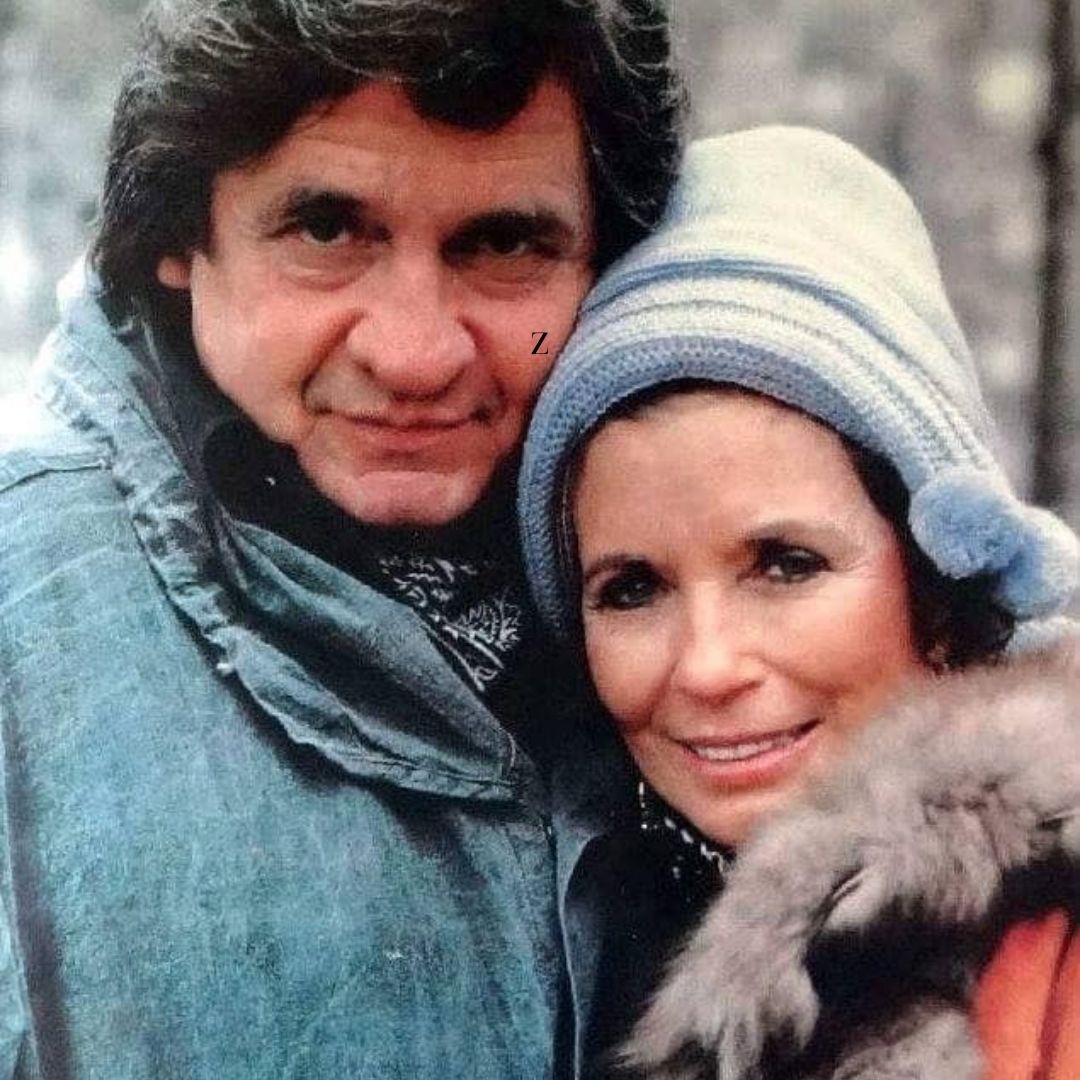
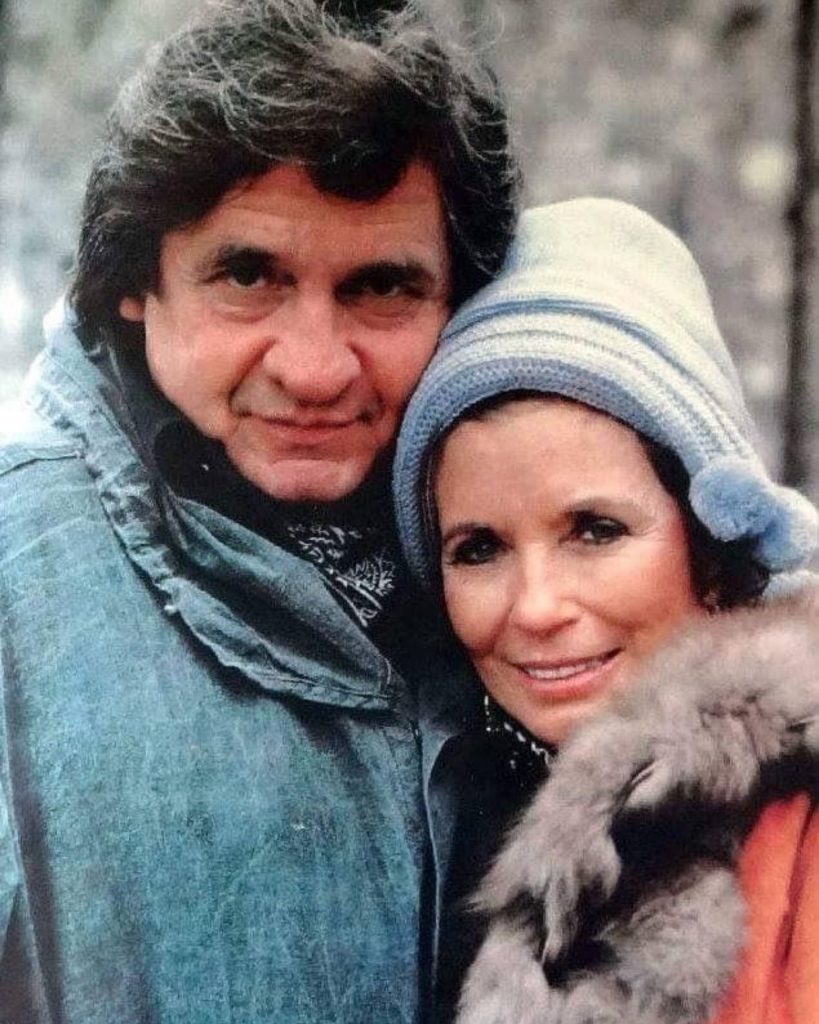
Few duets capture chemistry the way Johnny Cash and June Carter Cash did in “Jackson.” Released in 1967, the song isn’t your typical love ballad—it’s a fiery back-and-forth between two people who know how to throw sparks, whether in love or in a good-natured fight. And that’s exactly why it worked: because Johnny and June weren’t just singing at each other, they were living it right there on stage.

Originally written by Billy Edd Wheeler and Jerry Leiber, “Jackson” tells the story of a couple whose passion has cooled, so they’re both threatening to head down to Jackson (a stand-in for any wild town) to stir up some trouble. It could’ve been sung as a bitter spat—but in Johnny and June’s hands, it turned into playful banter. His booming baritone grumbles with mock frustration, while her sharp, sassy delivery cuts him down to size. Together, they created a dynamic that felt like eavesdropping on a private argument you couldn’t stop laughing at.

The song quickly climbed the country charts and even won them a Grammy for Best Country & Western Performance by a Duo or Group in 1968. But more than awards, it became a signature piece of their live shows—an anthem of love, mischief, and the kind of honesty only two people deeply connected could pull off.

What makes “Jackson” timeless is that it’s not just about a couple going through the motions; it’s about love with bite. It reminds us that romance isn’t always roses—it’s also laughter in the middle of a disagreement, a wink across the stage, and the comfort of knowing someone can push back without ever letting go. When Johnny and June sang “We got married in a fever…” you believed it—because you knew the fire was real.

Video

Lyrics

[Verse 1: Both, Johnny Cash]
We got married in a fever, hotter than a pepper sprout
We’ve been talkin’ ’bout Jackson ever since the fire went out
I’m going to Jackson, I’m gonna mess around
Yeah, I’m goin’ to Jackson
Look out, Jackson town

[Verse 2: June Carter & Johnny Cash]
Well, go on down to Jackson, go ahead and wreck your health
Go play your hand, you big-talkin’ man, and make a big fool of yourself
Yeah, go to Jackson, go comb your hair
Honey, I’m gonna snowball Jackson
See if I care

[Verse 3: Johnny Cash & June Carter]
When I breeze into that city, people gonna stoop and bow (Hah)
All them women gonna make me, teach ’em what they don’t know how
I’m goin’ to Jackson, you turn-a loose-a my coat
‘Cause I’m goin’ to Jackson
“Goodbye,” that’s all she wrote

[Verse 4: June Carter]
But they’ll laugh at you in Jackson, and I’ll be dancin’ on a Pony Keg
They’ll lead you ’round town like a scolded hound
With your tail tucked between your legs
Yeah, go to Jackson, you big-talkin’ man
And I’ll be waitin’ in Jackson, behind my Japan Fan

[Verse 5: Both]
Well now, we got married in a fever, hotter than a pepper sprout
We’ve been talkin’ ’bout Jackson ever since the fire went out
I’m goin’ to Jackson, and that’s a fact
Yeah, we’re goin’ to Jackson
Ain’t never comin’ back

[Outro: Johnny Cash, Both]
Well, we got married in a fever, hotter than a pepper sprout
Honey, we’ve been talkin’ ’bout Jackson, ever since the fire went

Related Post

THE SONG STARTED ON A SMALL REGIONAL LABEL. THREE YEARS LATER, “BORROWED ANGEL” HAD CARRIED A WEST VIRGINIA BODY-SHOP OWNER INTO THE COUNTRY TOP 10. Before Nashville knew his name, Mel Street was fixing cars. In 1963, he moved back to West Virginia and opened an auto body shop. Days were metal, paint, grease, and customers. Nights were music. He had sung on radio as a teenager, worked as a radio tower electrician, and played clubs around Niagara Falls, but none of that had made him a country star. Then Bluefield changed the pace. From 1968 to 1972, Mel hosted a local television show in Bluefield, West Virginia. The camera gave people a reason to remember the face. The clubs gave them a reason to remember the voice. Little by little, the body-shop singer became more than a local act. That exposure led to a small label called Tandem Records. Mel went to Nashville for a session and cut “House of Pride.” On the flip side, he placed one of his own songs: “Borrowed Angel.” It did not explode at first. Regional records rarely do. But “Borrowed Angel” kept moving. It found listeners. It found stations. By 1972, Royal American Records picked it up, and the song finally broke wide enough to reach the Billboard country Top 10. The strange part is how clean the story looks from the outside. A hit song. A new voice. A career beginning. But behind it was almost a decade of body-shop work, local television, club nights, and a record that had to crawl out of West Virginia before Nashville treated it like it belonged there.

THEY OFFERED HIM $100 TO GO AWAY. BILLY JOE SHAVER SAID NO — THEN THREATENED TO FIGHT WAYLON JENNINGS UNTIL HE LISTENED TO HIS SONGS. The whole thing started in Texas. In 1972, at the Dripping Springs Reunion, Billy Joe Shaver was sitting in a songwriter circle, playing the rough little songs he had carried around like unpaid debts. Waylon Jennings was nearby, resting in a trailer, half-listening. Then he heard one. “Willy the Wandering Gypsy and Me.” Waylon asked if Billy Joe had any more of those old cowboy songs. Billy Joe said he did. Waylon told him he might record a whole album of them. Most people would have gone home smiling. Billy Joe went to Nashville. Then he waited. For months, Waylon dodged him. Billy Joe kept trying to find him. Finally, with help from a local DJ, he tracked Waylon down at an RCA session with Chet Atkins. That is where the story stopped being polite. Waylon offered him $100 to leave. Billy Joe refused. He told Waylon he would fight him right there if he did not listen to the songs he had promised to hear. Waylon finally made a deal: sing one. If he liked it, Billy Joe could sing another. If not, he had to go. Billy Joe sang. Then he sang another. Then another. In 1973, Waylon released Honky Tonk Heroes, built almost entirely from Billy Joe Shaver songs. Outlaw country did not walk into Nashville quietly. One part of it came through an RCA hallway, carried by a songwriter too broke and too stubborn to take the hundred dollars.

You Missed

THE SONG STARTED ON A SMALL REGIONAL LABEL. THREE YEARS LATER, “BORROWED ANGEL” HAD CARRIED A WEST VIRGINIA BODY-SHOP OWNER INTO THE COUNTRY TOP 10. Before Nashville knew his name, Mel Street was fixing cars. In 1963, he moved back to West Virginia and opened an auto body shop. Days were metal, paint, grease, and customers. Nights were music. He had sung on radio as a teenager, worked as a radio tower electrician, and played clubs around Niagara Falls, but none of that had made him a country star. Then Bluefield changed the pace. From 1968 to 1972, Mel hosted a local television show in Bluefield, West Virginia. The camera gave people a reason to remember the face. The clubs gave them a reason to remember the voice. Little by little, the body-shop singer became more than a local act. That exposure led to a small label called Tandem Records. Mel went to Nashville for a session and cut “House of Pride.” On the flip side, he placed one of his own songs: “Borrowed Angel.” It did not explode at first. Regional records rarely do. But “Borrowed Angel” kept moving. It found listeners. It found stations. By 1972, Royal American Records picked it up, and the song finally broke wide enough to reach the Billboard country Top 10. The strange part is how clean the story looks from the outside. A hit song. A new voice. A career beginning. But behind it was almost a decade of body-shop work, local television, club nights, and a record that had to crawl out of West Virginia before Nashville treated it like it belonged there.

THEY OFFERED HIM $100 TO GO AWAY. BILLY JOE SHAVER SAID NO — THEN THREATENED TO FIGHT WAYLON JENNINGS UNTIL HE LISTENED TO HIS SONGS. The whole thing started in Texas. In 1972, at the Dripping Springs Reunion, Billy Joe Shaver was sitting in a songwriter circle, playing the rough little songs he had carried around like unpaid debts. Waylon Jennings was nearby, resting in a trailer, half-listening. Then he heard one. “Willy the Wandering Gypsy and Me.” Waylon asked if Billy Joe had any more of those old cowboy songs. Billy Joe said he did. Waylon told him he might record a whole album of them. Most people would have gone home smiling. Billy Joe went to Nashville. Then he waited. For months, Waylon dodged him. Billy Joe kept trying to find him. Finally, with help from a local DJ, he tracked Waylon down at an RCA session with Chet Atkins. That is where the story stopped being polite. Waylon offered him $100 to leave. Billy Joe refused. He told Waylon he would fight him right there if he did not listen to the songs he had promised to hear. Waylon finally made a deal: sing one. If he liked it, Billy Joe could sing another. If not, he had to go. Billy Joe sang. Then he sang another. Then another. In 1973, Waylon released Honky Tonk Heroes, built almost entirely from Billy Joe Shaver songs. Outlaw country did not walk into Nashville quietly. One part of it came through an RCA hallway, carried by a songwriter too broke and too stubborn to take the hundred dollars.